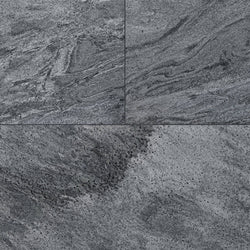
Interlace lilac mosaic
8-3/16" X 8-3/16" X 3/8"
Lilac
Honed
$45.00 per S/F
Travertine vs quartzite is about two natural stones that serve different needs. Travertine offers earthy tones with timeless appeal, while quartzite brings strength, scratch resistance, and stunning looks. You can find both at Artistic Tile, ready for countertops, vanities, or fireplace surrounds.
If you’re comparing travertine vs quartzite, you can think about two natural stones that feel similar at first glance but are completely different once you look closer. Both are used as countertop materials, slabs, and tiles; both are admired for natural beauty. Yet they are formed in unique ways, have different mineral structures, and behave differently in kitchen countertops, bathroom vanities, fireplace surrounds, and custom projects.
Travertine is a sedimentary rock made of calcium carbonate and mineral deposits that build up over time. Quartzite is a metamorphic rock that starts as sandstone and hardens under heat and pressure into stone. That means quartzite vs travertine isn’t just about two materials; it’s about two natural stones that serve different purposes.
Travertine has earthy tones and natural color variations and realistic textures that might commonly be found in historic architecture. Quartzite, by contrast, has a shiny appearance and creates movement and depth in modern kitchens. The choice of material doesn’t have to be complicated, but it should reflect how you live and what you want from your space.
Travertine countertops and tiles are admired for their understated look. You can go for the traditional soft beige or cream, or you could even choose a warmer tone that makes the space feel tailored and eclectic. Travertine is porous, so it absorbs liquids and stains more easily. That porous nature also gives it character.
If you want to create a bathroom vanity with warmth, or a fireplace surround that adds a bit of edge to the space, travertine is a great option. This look works best when you want a stone that feels lived-in. Too much pattern and color can overwhelm a design, but travertine can blend into the background while still lending updated style.
Quartzite countertops are another great example of a natural stone that looks luxurious and stands up to the toughest demands. On the Mohs scale, quartzite scores high, which means you can use it in kitchen countertops and know it will take hot pans, acidic substances, and scratches in stride.
If you want to go bold, quartzite slabs are the perfect spot to use natural movement and bold veining. For an eye-catching take on design, you can create interest by combining different quartzite slabs across an island and backsplash. It’s easy to understand why quartzite has become a go-to material for designers who want beauty and strength together.
Heat resistance is a major difference. Quartzite can stand up to extreme heat, while travertine tiles or countertops shouldn’t come into direct contact with hot pans. Acidic cleaners or lemon juice can damage both stones, but travertine is especially vulnerable.
Both stones benefit from sealing. Travertine countertops may need sealing more often. Quartzite is less porous, so sealing doesn’t have to be as frequent. For daily cleaning, a pH neutral cleaner is a safe choice. A mild detergent also works well. Avoid abrasive cleaners; they can damage the surface. If you want a stone countertop that stays polished, regular care is key.
| Attribute | Travertine | Quartzite |
|---|---|---|
| Origin | Sedimentary rock formed from calcium carbonate and mineral deposits | Metamorphic rock created when sandstone hardens under heat and pressure |
| Hardness (Mohs Scale) | Softer, scratches more easily | Very hard, highly scratch resistant |
| Porous Nature | Porous material that absorbs liquids and stains if not sealed | Non porous compared to travertine; more stain resistant |
| Heat Resistance | Can be damaged by hot pans or extreme heat | Handles high temperatures and hot pans well |
| Reaction to Acidic Substances | Acidic cleaners, lemon juice, or vinegar can etch or stain | Less reactive, though sealing still recommended |
| Appearance | Earthy tones with natural color variations and realistic textures | Shiny appearance, bold veining, and movement that brightens designs |
| Maintenance | More maintenance; sealing needed more often | Lower maintenance; sealing required less frequently |
| Best Uses | Bathroom vanities, fireplace surrounds, accent walls, lighter-use countertops | Kitchen countertops, bathroom vanities, high-traffic areas, large slabs |
| Overall Value | Timeless appeal, but requires more care | High durability and long-term investment value |
Kitchen countertops are often the centerpiece of a home. Travertine gives you natural beauty with a softer look, while quartzite creates a high-contrast look that pairs well with modern cabinetry. Both can serve as the focal point of your design.
In bathroom vanities, travertine tiles can feel more lived-in, adding timeless charm and texture without feeling too bold. Quartzite countertops, meanwhile, are also a great choice for livening up a vanity with strength and style. You can easily get creative with either material, depending on how much pattern and shine you want.
Fireplace surrounds are the perfect place to use natural stone. Travertine is all about the symmetry and movement of soft tones. Quartzite is best used for a modern take that can brighten the design and pair with sleek lines.
Custom projects are another brilliant idea for incorporating both stones. You can create a one-of-a-kind installation with quartzite slabs that draw the eye from floor to ceiling. Travertine, with its natural color variations, is a perfect example of how texture can turn an everyday design into something memorable.
Granite countertops are often compared to quartzite because both handle high temperatures well. Quartz countertops are engineered, but they mimic the look of quartzite and are also widely used. Marble, with its veining and timeless appeal, is another natural stone to think about. All of which are beautiful choices, but travertine vs quartzite is about two materials that feel different in your home.
Travertine gives you earthy tones and natural texture. Quartzite gives you shiny surfaces and extreme strength. Both translate to a more personal choice than other materials, depending on how you live with stone.
Travertine’s porous nature means you should seal it more often. That doesn’t have to be a drawback if you love its look. Quartzite, being less porous, is lower in upkeep. Daily cleaning with a pH neutral cleaner and occasional sealing will keep quartzite looking polished.
Keep in mind that depending on how you use the space, sealing schedules may vary. To really draw attention to stone that stays fresh over time, you can be sure to pair sealing with gentle cleaning.
The travertine vs quartzite conversation isn’t only about performance. It’s about the feel of the space. Travertine is that understated stone that gives a grounded feeling to your home with earthy tones. Quartzite is a perfect stone for those who want stunning looks, scratch resistance, and strength under extreme heat.
You can find a material that fits your vision by thinking about how much effort you want to put into care, how bold you want the stone to look, and which natural stone inspires you most.
Travertine and quartzite are both all beautiful choices. Travertine countertops or tiles are a carefree choice for classic design. Quartzite is the perfect stone that can stand up to intense heat while still giving you a chance to make a statement.
Artistic Tile curates natural stone, mosaics, slabs, and tile that can turn an everyday project into a one-of-a-kind design. To complete the look of your kitchen countertops, bathroom vanities, or fireplace surrounds, you can find travertine, quartzite, marble, granite, and other countertop materials in our collections. Visit Artistic Tile to see how these two natural stones can inspire your next custom project.
Read Less8-3/16" X 8-3/16" X 3/8"
Lilac
Honed
$45.00 per S/F
8-3/16" X 8-3/16" X 3/8"
Red Travertine
Honed
$45.00 per S/F
Rustic 16" x 24" x 5/8" Stone Soft Chiseled
$30.00 per S/F
$520.00 each
Polished Stone
$152.00 per S/F
$0.00 each
3/4"
White Diamond A1 Select
Polished
$400.00 per S/F
3/4"
White Diamond A2 Standard
Polished
$235.00 per S/F
Honed Stone
$80.00 per S/F
3/4"
White
Honed
$70.00 per S/F
1-1/4"
White
Honed
$100.00 per S/F
1-1/4"
White
Polished
$100.00 per S/F
1-1/4"
Naica
Polished
$140.00 per S/F
3/4"
Naica
Leather
$100.00 per S/F
3/4"
Naica
Honed
$100.00 per S/F
3/4"
Naica
Polished
$100.00 per S/F
1-1/4"
Naica
Honed
$140.00 per S/F
Polished Stone
$140.00 per S/F
$0.00 each
$0.00 each
Honed Stone
$110.00 per S/F
$0.00 each
$400.00 each