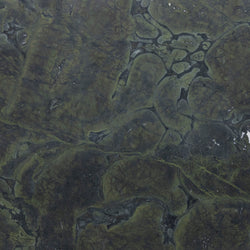
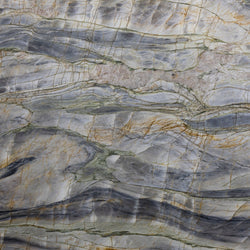
Calacatta gold a1 select marble slab 1-1/4"
1-1/4"
Calacatta Gold A1 Select
Dual Finish
$425.00 per S/F
Quartzite and marble are two of the most sought-after natural stones for luxury countertops. Quartzite is valued for its strength and resistance to acidic substances, while marble is admired for its soft veining and timeless charm. Both offer beauty and character, yet they perform differently in kitchens , bathrooms , and high-traffic areas. Understanding how these materials compare helps you choose the right surface for your space.
When it comes to luxury stone surfaces, the discussion often comes down to quartzite vs marble. Both materials are admired for their beauty, both marble and quartzite have been installed in the most celebrated interiors, and both offer qualities that make them desirable. At the same time, these two materials differ in performance and feel. If you want to invest in countertops, bathroom vanities, or even slabs for commercial spaces , understanding the main difference between quartzite and marble will guide you toward the right choice.
Quartzite is formed when quartz sandstone undergoes intense heat and pressure, transforming into a dense and durable stone made of tightly bound quartz grains. This process creates a surface material that surpasses marble in hardness. Marble, on the other hand, develops from limestone that is recrystallized into a softer stone. Its mineral composition allows for intricate veining and neutral tones, which are part of why it has been admired for centuries. Together, marble and quartzite stand as examples of natural materials shaped by geological forces, each carrying its own story into design.
At first glance, it is easy to see why designers appreciate both materials. marble countertops are known for their unique veining that can feel like movement across the surface. Neutral tones of white, gray, and soft beige lend marble a timeless beauty. quartzite countertops , however, tend to sparkle with crystalline patterns from quartz grains. They can feel brighter, with colors that vary depending on the quarry, and give you an opportunity to have a surface that looks tailored to the space. Both stone surfaces have an aesthetic appeal that makes a big impact on the overall feel of the room.
The most important factor when comparing quartzite and marble is durability. Quartzite is a durable stone that stands up well in high traffic areas, making it suitable for kitchen countertops and even commercial spaces. Marble, while beautiful, is a softer stone that is more likely to develop scratches, etch marks, and water marks. Acidic liquids such as lemon juice or tomato sauce can leave visible stains on marble. Quartzite, by contrast, is more resistant to acidic substances and intense heat, making it a durable material that surpasses marble in performance.
| Attribute | Quartzite | Marble |
|---|---|---|
| Origin | Quartz sandstone transformed by heat and pressure | Limestone recrystallized into softer stone |
| Hardness | Very hard and durable | Softer and more prone to scratches |
| Resistance to Acidic Liquids | High; resists etching from lemon juice, tomato sauce | Low; sensitive to acid, prone to etching and stains |
| Appearance | Crystalline sparkle with varied mineral colors | Smooth surface with intricate, flowing veining |
| Ideal Use | Kitchen countertops, high traffic, commercial areas | Bathrooms, low-traffic areas, decorative surfaces |
| Maintenance | Lower maintenance; less frequent sealing required | Requires more care and regular sealing |
| Installation Costs | Generally higher due to hardness and fabrication | Usually lower, but rare marbles can be expensive |
| Long-Term Value | High durability supports long-term investment | Timeless beauty but may require ongoing upkeep |
To determine which material you have, you can use a simple test on a scrap piece. The acid test, where lemon juice or vinegar is applied, will reveal marble’s sensitivity to acidic liquids. Quartzite usually shows no reaction. The scratch test with glass will show how quartzite resists scratches while marble scratches more easily. An etch test on a slab will demonstrate how marble can develop etching on its surface. These tests are often used by fabricators to confirm whether a slab is quartzite or marble since the two materials can look similar at first glance.
In everyday life, the difference between the two materials becomes clear. Kitchen countertops see acidic substances, heat, and daily wear. Quartzite holds up to this better, while marble requires care to prevent etching and staining. In a bathroom , marble may develop water marks and scratches, while quartzite remains more durable. Both materials, however, are still considered premium countertop material choices that elevate a home with natural beauty.
Installation costs are another point of comparison. Quartzite tends to be more expensive to quarry and fabricate, which is reflected in the price of slabs. Marble is usually less costly, although rare types of marble can be priced higher than common quartzite. From an investment perspective, quartzite excels in long term value as it does not demand the same level of regular maintenance that marble does. Still, marble’s beauty continues to attract homeowners who value its historic charm over long term durability.
Design is ultimately why many buyers find it hard to decide. Marble is soft in look and feel, with elegant veining that adds timeless charm. Quartzite, however, offers brighter surfaces with neutral tones or bold streaks of color that can create a one-of-a-kind statement. Both materials differ in character, yet both can serve as a chance to make a statement in a kitchen, bathroom, or commercial installation. The choice of material depends on whether you want the refined beauty of marble or the strong, durable stone quality of quartzite.
The main difference comes down to lifestyle. If you want a countertop material that can stand up to acidic substances and scratches, quartzite is the better choice. If you want the intricate veining and aesthetic appeal of a softer stone, marble is unmatched. Think about how you plan to use the space and test slabs with a scrap piece before you decide. Both marble and quartzite are beautiful natural materials that give designers and homeowners a chance to make a statement.
Both quartzite and marble are celebrated for their beauty and individuality. Quartzite offers a durable stone surface for kitchens and high traffic areas, while marble brings unique veining and timeless charm. The choice of material is not about which one is better overall but which one fits your priorities. By understanding how these two materials differ, you can select the countertop material that inspires you, serves your home, and feels like the perfect fit.
Read Less: Hide Comparison1-1/4"
Calacatta Gold A1 Select
Dual Finish
$425.00 per S/F
3/4"
Calacatta Gold A1 Select
Polished
$385.00 per S/F
1-1/4"
Calacatta Gold A1 Select
Polished
$465.00 per S/F
3/4"
Calacatta Gold A2 Standard
Polished
$235.00 per S/F
3/4"
Calacatta Gold A3 Commercial
Polished
$180.00 per S/F
3/4"
Calacatta Gold A1 Select
Honed
$385.00 per S/F
3/4"
Calacatta Monet
Polished
$140.00 per S/F
3/4"
Calacatta Monet Extra
Polished
$160.00 per S/F
3/4"
Calacatta Monet
Honed
$140.00 per S/F
Honed Stone
$150.00 per S/F
3/4"
Caribbean Island
Fluted
$115.00 per S/F
1-1/4"
Caribbean Island
Honed
$100.00 per S/F
Honed Stone
$120.00 per S/F
$0.00 each
Polished Stone
$300.00 per S/F
3/4"
Blue De Savoie
Polished
$100.00 per S/F
3/4"
Blue De Savoie
Honed
$100.00 per S/F
$0.00 each
$0.00 each
Honed Stone
$70.00 per S/F
$0.00 each
Polished Stone
$115.00 per S/F
3/4"
Emerald
Polished
$130.00 per S/F
3/4"
Emerald
Honed
$130.00 per S/F
Honed Stone
$86.00 per S/F
Honed Stone
$80.00 per S/F
$0.00 each
Honed Stone
$110.00 per S/F
3/4"
White Diamond A1 Select
Polished
$400.00 per S/F
3/4"
White Diamond A2 Standard
Polished
$235.00 per S/F
3/4"
White
Honed
$70.00 per S/F
1-1/4"
White
Honed
$100.00 per S/F
1-1/4"
White
Polished
$100.00 per S/F
1-1/4"
Naica
Polished
$140.00 per S/F
3/4"
Naica
Leather
$100.00 per S/F
3/4"
Naica
Honed
$100.00 per S/F
3/4"
Naica
Polished
$100.00 per S/F
1-1/4"
Naica
Honed
$140.00 per S/F
Polished Stone
$140.00 per S/F