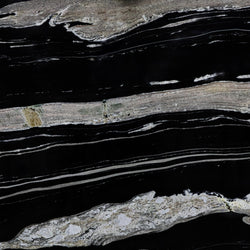
Brazilian black rush granite slab 3/4" polished stone
Polished Stone
$60.00 per S/F
Marble vs granite is a timeless comparison for kitchens and bathrooms . Marble stone brings refined veining and artistry, while granite makes practical countertops that stand up to everyday use. This guide highlights color, care, and performance differences so you can select the right natural stone alongside our curated products.
Read More: Marble vs Granite – Which Countertop is Right for You?
When you think about high-end countertops, marble vs granite is often the first debate. These two materials have been used for centuries in some of the most inspiring designs. Both are natural stones that can turn an everyday kitchen or bathroom into a statement of luxury. If you want to bring a surface into your home that pulls together beauty and strength, the choice of material matters. Let’s look closely at marble stone and granite to understand what sets them apart, why they continue to inspire, and how they compare with quartz countertops and other modern options.
Marble is a natural stone formed when limestone rich in calcium carbonate is subjected to heat and pressure over a long period. Most marble carries a flowing pattern that’s unique to each slab. Two slabs of marble will never look the same, which gives you an opportunity to have a kitchen or bathroom surface that feels one-of-a-kind.
Marble countertops are often associated with refined interiors. It’s not wonder that many designers lean toward marble stone in bathroom countertops, vanities, or as a dramatic kitchen island surface. The stone feels luxurious, and it can easily become the center of attention in a home designed to inspire.
Granite is a phaneritic rock formed as magma cools deep in the earth. Granite consists of quartz and other minerals that crystallize slowly, which is why the texture has visible grains, sometimes millimeters past what the naked eye first notices. A keen eye will see color patches throughout a slab, giving granite a distinctive speckled look.
Granite makes strong kitchen countertops, and many builders recommend granite for households that need a surface able to stand up to heavy use. Granite or marble often comes down to how you want to balance natural pattern with strength.
Marble stone is known for its veining. The flow of gray, gold, or subtle pink across a white background creates movement and depth in a surface. It’s timeless due to its natural character, and it often inspires high-end interiors that feel more refined.
Granite, on the other hand, shows color patches and flecks from different minerals. Black, green, gray, or even pink granite might be found in slabs, depending on what minerals are present. Unlike marble, granite carries a more speckled look, which can make or break a space depending on how you pair it with cabinetry and flooring.
If you prefer the clean look of marble, it immediately brightens up a room. Granite offers texture that can feel a bit more lived-in, especially in kitchens. Both stones are all beautiful choices that can fit into different design visions.
| Feature | Marble | Granite |
|---|---|---|
| Origin | Formed from limestone rich in calcium carbonate under heat and pressure | Phaneritic rock formed as magma cools, consisting of quartz and other minerals |
| Look & Style | Veined patterns, flowing movement, refined stone that feels timeless due to its natural variation | Speckled with visible grains and color patches, ranging from subtle to bold tones |
| Common Colors | White with gray, gold, or soft pink veining | Black, green, gray, pink, and mixes of different minerals |
| Hardness (Mohs Scale) | Softer; can show scratches and etching (e.g., lemon juice) | Harder; resists scratches better than marble |
| Porosity | More porous; must be properly sealed | Less porous; easier to manage if sealed |
| Best for Kitchens | Luxury islands, statement slabs; not ideal for heavy use | Everyday kitchen countertops; stands up to spills and cuts |
| Best for Bathrooms | Vanities and bathroom countertops, refined look | Also works well, especially for consistency across rooms |
| Alternatives | Cultured marble; engineered quartz for similar look | Quartz or manufactured stone if you want non porous uniformity |
| Key Appeal | Luxury and artistry; a chance to make a statement | Strength, practicality, and consistency in design |
When comparing marble vs granite, durability is one of the most common concerns. On the Mohs scale, granite ranks higher than marble. Granite is harder, less porous, and more resistant to scratches. Marble is softer, and most marble can show etching if you spill acidic liquids like lemon juice.
That doesn’t mean marble countertops shouldn’t be used. If properly sealed, marble can work in both kitchens and bathrooms, but it needs more attention. Granite countertops are more forgiving. For clients who want a surface that can take daily use without worry, many recommend granite.
Kitchen countertops see more spills, cuts, and general wear than any other surface in the home. Granite makes sense here because it’s non porous when sealed and strong enough to handle constant cooking.
Marble, however, offers a wonderful chance to make a statement. Imagine an island slab of marble stone that becomes a sophisticated neutral backdrop, paired with colorful cabinets or brass fixtures. It can easily create a one-of-a-kind look that inspires. The decision often comes down to personal preference: granite for everyday practicality, marble for a bit of edgy luxury.
In bathrooms, the demands on the surface are lighter than in kitchens. That’s why marble stone is often selected for bathroom countertops. It brings a refined feeling to your home with natural color variations and realistic textures.
Granite is also a great choice in bathrooms, especially if you want consistency across multiple rooms. Some clients even look at cultured marble or manufactured stone as alternatives, but the natural stones continue to be the benchmark. Quartz countertops are another option; quartz takes the look of natural stone but is engineered stone, made with minerals and resin, offering uniformity.
When you line up marble vs granite alongside quartz, you see three countertop materials that cover almost every need. Marble is softer, luxurious, and often chosen for statement areas. Granite is strong, non porous when sealed, and often used in kitchens. Quartz takes cues from both but is manufactured stone, a consistent product with fewer natural imperfections.
The three materials highlight different minerals, different looks, and different levels of care. The best option is usually based on how you plan to use the surface and how much attention you’re willing to give it over a long period.
Both granite and marble should be properly sealed. Granite is less porous, which means it resists stains better. Marble can etch or stain if exposed to acidic foods like lemon juice or wine. Scratches may appear on marble stone faster than on granite.
That said, marble countertops are still timeless due to their natural appeal, and with sealing, they can last for decades. Granite can also last a long period, often with less attention. The two materials both stand up as high-end choices for countertops, but they serve slightly different lifestyles.
When comparing marble vs granite, it’s easy to understand why both continue to inspire designers and homeowners. Granite makes sense for kitchens where heavy use is expected. Marble stone feels refined and is often chosen for bathrooms, vanities, or kitchen islands where a chance to make a statement is the goal.
You can easily get creative with two materials like this. Pair marble stone with modern lighting and cabinetry, or let granite countertops pull together the rest of the kitchen. Both are natural stones that connect you to design traditions spanning centuries. In the end, granite and marble are also about personal preference, two materials that give your home luxury surfaces designed to inspire.
Read LessPolished Stone
$60.00 per S/F
1-1/4"
Galaxy Grey
Honed
$140.00 per S/F
3/4"
Galaxy Grey
Honed
$90.00 per S/F
3/4"
Patagonia Extra
Polished
$155.00 per S/F
1-1/4"
Patagonia
Rock
$265.00 per S/F
Honed Stone
$70.00 per S/F
Honed Stone
$45.00 per S/F
Honed Stone
$72.00 per S/F
3/4"
Nero Marquina
Polished
$45.00 per S/F
3/4"
Nero Marquina Extra
Honed
$50.00 per S/F
1-1/4"
Nero Marquina
Rock
$110.00 per S/F
3/4"
Nero Dorato
Polished
$65.00 per S/F
3/4"
Nero Dorato
Honed
$65.00 per S/F
Honed Stone
$120.00 per S/F
$0.00 each
3/4"
Calacatta Picasso
Polished
$140.00 per S/F
3/4"
Calacatta Picasso
Honed
$140.00 per S/F
Polished Stone
$70.00 per S/F
$0.00 each
$0.00 each
$0.00 each
3/4"
Blue De Savoie
Polished
$100.00 per S/F
3/4"
Blue De Savoie
Honed
$100.00 per S/F
Honed Stone
$65.00 per S/F
3/4"
White Sand
Polished
$70.00 per S/F
3/4"
White Sand
Honed
$70.00 per S/F
3/4"
White Sand Extra
Honed
$80.00 per S/F
$0.00 each
Polished Stone
$300.00 per S/F
3/4"
Calacatta Vagli Extra
Polished
$280.00 per S/F
1-1/4"
Calacatta Vagli Extra
Polished
$280.00 per S/F
Honed Stone
$70.00 per S/F