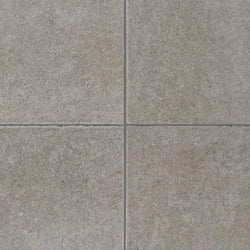
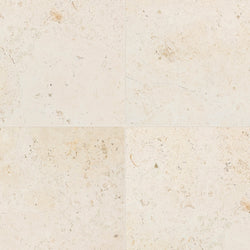
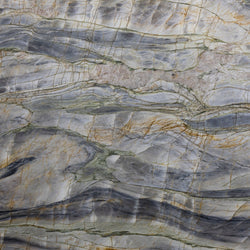
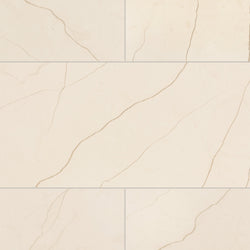
Gascogne beige limestone mosaic
12-23/32" X 11-1/23" X 3/8"
Gascogne Beige
Lightly Tumbled
$58.00 per S/F
When you look at limestone vs quartzite, you see two natural stones with very different strengths. Limestone carries a warm, soft look, while quartzite is all about the strength of a metamorphic rock. Both are all beautiful choices that can spark ideas for countertops, walls, and floors.
The choice of material shapes more than just how a home looks, it also influences how it feels to live in. Limestone is a sedimentary rock, primarily composed of calcium carbonate. Quartzite is a metamorphic rock, formed when sandstone changes under intense heat. These two materials are both natural stone, but their differences make a big impact on the overall feel of a space.
Limestone forms from grains of clay, fossils, and minerals pressed together in shallow seas. This process creates warm shades of gray and brown that feel a bit more lived-in. Quartzite starts as sandstone, then transforms into something new when grains fuse together under heat and pressure.
This look works best when you think about how each formation story ties into your design style. One stone gives softness and calm; the other creates movement and depth in a way that can easily become the element that defines this space.
On the Mohs scale, limestone usually measures around 3–4. It can scratch more easily, but it also has character that pulls together the rest of the design. Quartzite is closer to 7, which means it can stand up to the toughest daily use.
If you want to go bold with countertops that won’t wear down quickly, quartzite is a great option. If you prefer the clean look of stone that feels soft and grounded, limestone might be the right fit.
Limestone absorbs liquids quickly. Acidic substances like lemon juice or wine can leave etching that feels permanent. Quartzite, once sealed, is less prone to stains.
This is a great way to think about how you’ll live with the stone. If you’d love to use limestone, it might be best in walls or fireplaces that don’t face spills. Quartzite, by contrast, can be installed in kitchens where spills are part of everyday life.
Quartzite forms under intense heat, which means it can stand up to high temperatures without damage. Limestone doesn’t perform the same way and may discolor if exposed to heat.
That makes quartzite a strong option for countertops near cooktops. Limestone, however, gives a timeless look around fireplaces and walls, where heat isn’t as direct. Both are the perfect spot to use stone in ways that highlight its natural charm.
Limestone is best used for designs that call for a neutral foundation. By using a neutral-colored limestone, you can create a look that is calm and grounded. Its soft shades feel a bit more lived-in and can easily grow with the space over time.
Quartzite often shows natural color variations and realistic textures that beautifully contrast the rest of the room. It can immediately brighten up a space with grains that sparkle and draw the eye from one area to another.
You could even take a modern take that can inspire you to combine quartzite with tile and its many colors. The choice of material here can easily become a chance to make a statement.
| Attribute | Limestone | Quartzite |
|---|---|---|
| Origin | Sedimentary rock, primarily composed of calcium carbonate | Metamorphic rock, formed when sandstone changes under intense heat |
| Hardness | Softer, around 3–4 on the Mohs scale; can scratch easily | Much harder, around 7 on the Mohs scale; stands up to the toughest daily use |
| Porosity & Staining | Highly porous, absorbs liquids, prone to stains and etching from acidic substances | Less porous once sealed; less prone to stains, more suitable for everyday use |
| Heat Performance | Can discolor or scratch when exposed to high heat | Forms under heat; can stand up to high temperatures without damage |
| Color & Texture | Soft shades of gray and brown; warm, lived-in look | Natural color variations and realistic textures; grains sparkle and brighten up a space |
| Ideal Use | Walls, fireplaces, low-traffic floors; areas where staining doesn’t have to be a concern | Kitchen countertops, commercial spaces, high-traffic flooring, feature walls |
| Care | Should be sealed often; needs protection from acidic substances | Should be sealed but doesn’t have to be as often; easier everyday care |
| Design Style | Neutral foundation that pulls together the rest of a design | A bolder look that creates movement and depth, often the most eye-catching stone type |
Countertops: Quartzite is a great option for kitchens that need to stand up to stains and heat. Limestone countertops can work too, if you want a softer, more understated look.
Flooring: Limestone flooring adds timeless charm and texture without feeling overwhelming. Quartzite flooring, especially in commercial spaces, makes a big impact on durability and style.
Walls and Fireplaces: Limestone walls are all beautiful choices for a design that feels classic. Quartzite slabs on a fireplace wall create an unexpected focal point that ties into the rest of the space.
Tile is a great option to use alongside both limestone and quartzite, creating interest by combining different patterns, mosaics, and slabs.
Both stones should be sealed. Limestone needs it the most to prevent staining and etching. Quartzite should be sealed too, though it doesn’t have to be done as often.
Gone are the days of thinking natural stone can’t work in everyday use. With the right care, both limestone and quartzite can easily become part of a home that feels inspiring.
The differences between limestone vs quartzite don’t just come down to science. They shape the feeling of the entire space. Limestone creates a sophisticated neutral backdrop that ties into almost any design style. Quartzite adds a bit of edgy sparkle that often becomes the material people notice first.
Keep in mind that each stone type can be installed in slabs, tiles, or mosaics. This means they are available in many styles and finishes, giving you flexibility without being overwhelming.
When we think about limestone vs quartzite, it’s not about better or worse, it’s about what feels right for you. Both are natural stone materials that can inspire tile ideas to spark your new design.
At Artistic Tile, we know how to help you find a material that balances the impactful design of a space while letting the rest of the room breathe. You can easily get creative with quartzite slabs that can brighten up a kitchen, or limestone floors that add timeless charm and texture. Together, we can create a look that is both personal and unforgettable.
Read Less12-23/32" X 11-1/23" X 3/8"
Gascogne Beige
Lightly Tumbled
$58.00 per S/F
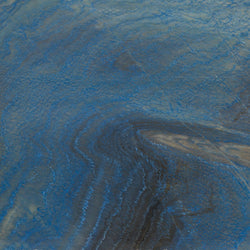
12-23/32" X 11-1/23" X 3/8"
Sahara Blue
Lightly Tumbled
$58.00 per S/F
24" X 48" X 11/32"
Cream
Semi-Polished
$19.00 per S/F
24" X 48" X 11/32"
Sand
Semi-Polished
$19.00 per S/F
Honed 24" x 24" x 3/8" Stone Aris Edge
$35.00 per S/F
$243.00 each
Honed 18" x 18" x 3/8" Stone Aris Edge
$28.00 per S/F
Polished Stone
$174.00 per S/F
3/4"
Belvedere
Leather
$60.00 per S/F
1-1/4"
Belvedere
Leather
$80.00 per S/F
3/4"
Emerald
Polished
$130.00 per S/F
3/4"
Emerald
Honed
$130.00 per S/F
3/4"
Tempest Black
Polished
$100.00 per S/F
1-1/4"
Tempest Black
Honed
$100.00 per S/F
$0.00 each
Honed Stone
$80.00 per S/F
3/4"
White
Honed
$70.00 per S/F
1-1/4"
White
Honed
$100.00 per S/F
1-1/4"
White
Polished
$100.00 per S/F
1-1/4"
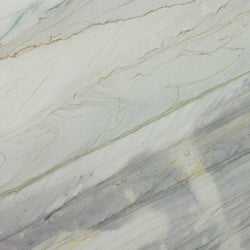
Naica
Polished
$140.00 per S/F
3/4"
Naica
Leather
$100.00 per S/F
3/4"
Naica
Honed
$100.00 per S/F
3/4"
Naica
Polished
$100.00 per S/F
1-1/4"
Naica
Honed
$140.00 per S/F
Polished Stone
$140.00 per S/F
Honed 12" x 24" x 3/8" Stone
$41.00 per S/F
$0.00 each
$488.00 each
Honed Stone
$40.00 per S/F