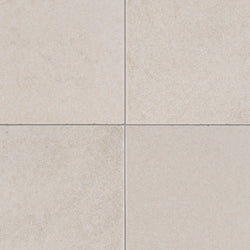
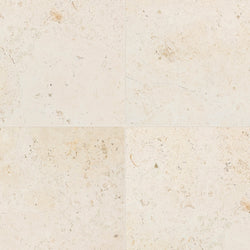
Limestone cream tile
24" X 48" X 11/32"
Cream
Semi-Polished
$19.00 per S/F
When you look at limestone vs quartz, you’re comparing two very different paths for design. At Artistic Tile, we focus on natural stone options that carry authentic character into your home. From limestone countertops to fireplace surrounds and accent walls, you can create a look that is both timeless and inspiring.
Limestone vs quartz is a common comparison for homeowners and designers. One is a natural stone formed by calcium carbonate and marine organisms; the other is engineered quartz, created with resin and crushed stone. Both have a place in modern interiors, but the way they behave, and the way they look, is very different. Knowing how they compare will give you the confidence to make the right decision for your space.
Limestone belongs to the family of sedimentary rock. It carries natural beauty through soft colors, warm tones, and subtle movement across slabs. You can find a material that feels earthy and personal, with natural color variations and realistic textures that draw the eye from one section to another. Limestone countertops and flooring are a great option for a traditional kitchen, while accent walls and fireplace surrounds can easily become the element that defines this space.
Engineered quartz has become a go-to material for those who want predictability. Resin makes it non porous, which means it doesn’t have to be sealed, and you can wipe it with a damp cloth for simple cleaning. Many homeowners see it as low maintenance, but it lacks the individuality of limestone. With quartz, the colors and patterns stay uniform. If you want to create a space that feels one-of-a-kind, limestone gives you that opportunity in a way quartz doesn’t.
Limestone has a porous nature. It does need sealing, since spills can leave marks if ignored. This doesn’t have to be a drawback; it’s simply part of caring for natural stone. If you want to keep it in great shape, sealing and cleaning are part of the process. Quartz, by contrast, is non porous and doesn’t require sealing. Still, this comes at the cost of natural beauty and uniqueness. If you prefer the clean look of consistency, quartz might be the answer. If you’d love to use a stone that shows the earth’s story, limestone is the way to go.
Heat resistance is another difference. Limestone is heat resistant and can stand up to hot pots better than quartz, which may discolor under high temperatures due to its resin. Scratches can happen with both materials, but a honed finish on limestone hides them more easily. A polished finish on quartz will highlight scratches, while a polished limestone slab has enough movement in its patterns to disguise small marks. This look works best when you want a surface that ages gracefully.
In interior design, limestone creates a neutral palette that can fit into traditional or modern spaces. In a traditional kitchen, honed limestone countertops pair with wood cabinets and lend updated style to the overall design. In a modern take, polished limestone slabs beautifully contrast the flat surfaces of cabinetry, creating movement and depth in the room. Fireplace surrounds, accent walls, and flooring in limestone can easily become a much needed detail that pulls together the rest of the home.
Quartz has its place for those who want predictability. Its colors stay uniform, and it offers a polished finish that gives a clean, consistent look. This is best used for homeowners who don’t want to think about sealing or variation. Quartz can be installed in a way that provides a backdrop for other design features, but it won’t inspire you with the natural beauty that limestone slabs or mosaics bring.
You could even use limestone far beyond the kitchen. Bathroom countertops, accent walls, fireplace surrounds, and flooring are all beautiful choices. Limestone slabs can be installed in many styles and finishes, inspiring you to think about how stone can work throughout your home. Tiles can look good in hallways or entryways, providing a lively pop of pattern or color. Engineered quartz is usually limited to counters and vanities, while limestone creates movement across walls and floors in a way quartz simply doesn’t.
Sealing limestone should feel like part of the ritual of natural stone. It can easily become a routine step that protects against stains and keeps the stone at its best. A damp cloth is enough for daily care. If you want a stone that stands up with minimal effort, quartz will meet that need, but it won’t deliver the beauty of natural stone. Keep in mind that with proper sealing, limestone offers warmth and natural charm that can grow with the space over time.
| Attribute | Limestone | Quartz |
|---|---|---|
| Origin | Sedimentary rock formed from calcium carbonate and marine organisms | Engineered stone created from crushed quartz, resin, and pigments |
| Appearance | Natural beauty with soft colors, subtle movement, and unique patterns | Uniform colors and patterns, consistent from slab to slab |
| Porosity | Porous nature; should be sealed to help protect against stains | Non porous; doesn’t need sealing |
| Heat Performance | Heat resistant; can stand up to hot pots without damage | May discolor or crack with high heat due to resin content |
| Scratches | Soft; scratches possible but honed finishes can disguise marks | Harder; scratches may show clearly on polished surfaces |
| Maintenance | Needs sealing and cleaning with a damp cloth; part of natural stone care | Low maintenance; simple cleaning with a damp cloth |
| Design Style | Works well in traditional kitchens, accent walls, fireplaces, and flooring | Best for modern looks with clean, consistent finishes |
| Applications | Countertops, bathroom vanities, fireplace surrounds, accent walls, flooring | Mainly kitchen worktops and bathroom countertops |
| Value | Offers unique patterns and warmth that can grow with the home | Provides predictability but lacks individuality of natural stone |
It’s easy to understand why many homeowners are drawn to limestone. It’s all about the symmetry and movement within each slab, the colors that shift with natural light, and the patterns that create a one-of-a-kind surface. Quartz may be engineered for consistency, but limestone offers beauty that functions both as a countertop and as a statement in design. If you want to go bold, limestone is a great way to make that statement.
At Artistic Tile, we know the choice of material can make or break a space. Limestone vs quartz is often framed as a battle, but for us it’s about guiding you toward natural beauty. While engineered quartz has its uses, limestone carries warmth, patterns, and colors that create a timeless look. From limestone countertops to fireplace surrounds, flooring, and accent walls, our slabs and mosaics give you an opportunity to have a home that feels authentic. If you want to create a design that balances the impactful design of natural stone with your personal vision, we’re here to help you find the perfect fit.
Read Less24" X 48" X 11/32"
Cream
Semi-Polished
$19.00 per S/F
24" X 48" X 11/32"
Sand
Semi-Polished
$19.00 per S/F
Honed 18" x 18" x 3/8" Stone Straight Edge
$20.00 per S/F
Roman Antiqued 18" x 18" x 3/8" Stone Chiseled Edge
$35.00 per S/F
16" X 32" X 5/8"
Combe Brune
Honed
$45.00 per S/F
12" X 24" X 3/8"
Combe Brune
Honed
$38.00 per S/F
$35.00 per S/F
Honed 18" x 32" x 9/16" Stone Straight Edge
$33.00 per S/F
Honed 18" x 18" x 3/8" Stone Aris Edge
$28.00 per S/F
$0.00 each
Antiqued Stone Broken Joint 3.0cm
$28.00 per S/F
$0.00 each
$488.00 each
$0.00 each
Honed Stone
$40.00 per S/F