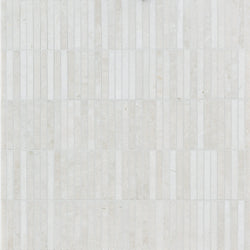
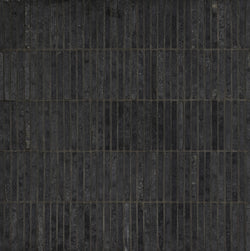
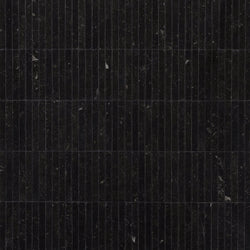
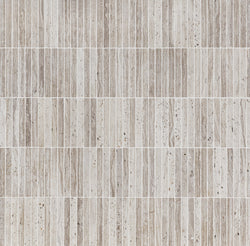
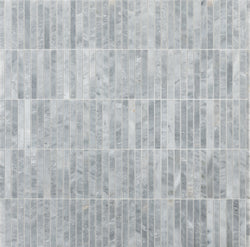
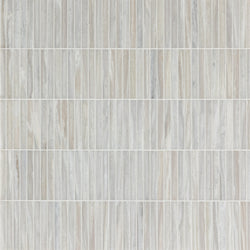
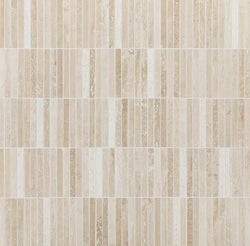
Abbey road bianco dolomiti dolomite mosaic
11-7/8" X 12-7/16" X 3/8"
Bianco Dolomiti
Honed
$50.00 per S/F
Honed and polished marble are two of the most popular finishes for natural stone surfaces. A honed finish gives marble a matte look that hides scratches and offers slip resistance, making it ideal for bathroom floors, shower floors, and high-traffic areas. A polished finish brings a glossy shine that reflects light, highlights stone’s natural colors, and delivers stain resistance for countertops , backsplashes , and kitchen islands. Understanding how these marble finishes compare will help you choose the right surface for your project.
Read More: Honed vs Polished Marble – Which Finish Is Right for You?
When it comes to marble surfaces, the conversation often circles back to honed vs polished marble. Both finishes offer a timeless look, but they’re designed to serve different needs. If you’re planning a kitchen renovation, updating a bathroom floor, or adding a backsplash, understanding the difference between a honed finish and a polished finish will help you make the best choice. Marble is one of the most luxurious natural stone materials available, but how you finish it will influence everything from maintenance to style.
Honed marble has a matte finish that feels smooth but doesn’t shine. Instead of a glossy reflection, you’ll see a matte surface that gives an understated, organic feel. The look is soft and subtle, making honed marble surfaces a practical choice in high traffic areas like bathrooms, kitchen flooring, and shower floors.
Because the matte finish hides scratches, many homeowners appreciate its forgiving nature. The surface isn’t reflective, which means honed marble countertops won’t immediately show signs of scratches or regular cleaning. This makes honed stone a reliable option for sink surrounds, vanity tops, or marble tiles in spaces where spills and scuffs are part of daily life.
On the other hand, polished marble is known for its glossy surface and high shine. The polished finish is created by grinding and buffing until the stone has a mirror-like reflective surface. This process brings out the stone’s natural colors, making veins and patterns appear more vivid.
A polished marble surface isn’t just about looks; the finish is denser, giving it a higher level of stain resistance. For polished marble countertops, vanity tops, and kitchen islands, that sleek, luxurious look feels instantly upscale. A polished one is all about elegance, offering a shiny appearance that reflects light and brightens interiors.
When comparing polished vs honed marble, there are several points to consider:
When you think about honed vs polished, you’re really choosing between practicality and brilliance.
| Attribute | Honed Marble | Polished Marble |
|---|---|---|
| Finish | Matte surface with a smooth, understated look | Glossy surface with a reflective, high-shine finish |
| Appearance | Soft, organic feel that hides scratches and wear | Highlights stone’s natural colors and veining vividly |
| Slip Resistance | Better slip resistance, ideal for bathroom floors and shower floors | More slippery when wet, less suitable for wet flooring |
| Scratch Resistance | Matte finish hides scratches and etching well | Shows scratches and etching more easily on the glossy surface |
| Stain Resistance | More porous; requires regular sealing to prevent stains | Less porous; more resistant to stains and easier to clean |
| Ideal Use | High-traffic areas, bathroom floors, shower floors, fireplaces | Kitchen countertops, backsplashes, vanities, decorative elements |
| Maintenance | Requires regular cleaning and sealing; hides wear better | Needs careful cleaning and sealing; shows wear but resists stains |
| Design Effect | Creates a relaxed, natural look with an organic feel | Adds luxury, brightness, and sophistication to interiors |
Honed marble countertops are a practical choice in busy kitchens because they’re less likely to show wear. A matte finish is also a smart pick for bathroom flooring or shower floors, where slip resistance is essential.
If you want to create a warm, organic feel, honed marble fits beautifully into industrial designs, renovation projects, and even fireplace surrounds. The matte surface creates a timeless look, whether it’s paired with wood cabinetry or set against bold contrasting stone. You can also use honed and polished marble together, for example, with a backsplash in polished stone and counters in honed stone, creating balance in your interior decor.
The beauty of polished marble lies in how it instantly elevates a room. Polished marble countertops are a favorite in luxury kitchens, where the high gloss finish makes the space feel brighter and larger. A polished marble surface on a kitchen island can serve as the centerpiece, drawing the eye and acting as a decorative element that defines the entire room.
Polished marble works wonderfully as a backsplash or as vanity tops in a bathroom. Because polished marble offers stain resistance, it’s better suited to areas where spills are likely. If you’d love to use Carrara marble in your design, a polished finish will highlight the stone’s subtle veining, creating a luxurious look that feels refined.
Using both honed and polished marble in one project gives you flexibility. For example, you can go with a honed marble countertop in the kitchen for durability, while choosing a polished backsplash to add a shiny appearance that reflects light. In a bathroom, a matte finish floor paired with a polished marble surface around the sink can create balance while addressing both function and style.
This approach also helps highlight marble finishes as design choices that work together rather than as opposing options. By mixing a honed finish with a polished finish, you can create depth, dimension, and contrast in your space.
Both finishes require attention. Polished surfaces are less porous, but they show scratches more easily and still need regular sealing. Honed marble surfaces don’t reflect light the same way, so they hide scratches, but they absorb liquids faster without sealing.
Regular cleaning is essential for both. Avoid harsh cleaners and stick to pH-neutral products to prevent stains and etching. If your maintenance preferences lean toward low-gloss surfaces that won’t reveal every mark, honed stone might be the smarter option. But if you prefer a sleek finish that shows off stone’s natural colors, polished countertops may be the better match.
In interior design, both finishes have unique strengths. A polished marble surface with its glossy finish feels elegant, making it ideal for luxury kitchens, vanity tops, and decorative elements like fireplace surrounds. It creates a reflective surface that adds light and depth, a luxurious element that immediately brightens the design and pairs seamlessly with other materials.
A honed finish, on the other hand, provides an organic feel and a matte surface that’s understated yet stylish. It works beautifully in industrial designs and bathrooms, where a softer look can balance bold tile choices. This look works best when you want to add texture and a sense of warmth.
So, honed vs polished marble, which is right for you? The answer depends on the stone type, the function of the space, and your lifestyle.
The choice doesn’t have to be complicated. Think about how you use the space, what style you prefer, and how much maintenance you’re comfortable with. Either way, both finishes are all beautiful choices that can make the space feel tailored and eclectic.
The conversation around honed vs polished isn’t about which is better, it’s about which is better for your needs. Both are marble finishes that stand up to everyday living, each with its own advantages.
A smooth surface that hides wear and adds a relaxed look makes honed stone the go-to. For a glossy surface that delivers stain resistance and a sleek finish, polished stone may be the answer.
No matter which you choose, marble countertops, backsplashes, and bathroom floors made from this natural stone will always create a timeless look. It’s easy to understand why marble has become a go-to material in interior decor, inspiring you to create spaces that feel elegant, functional, and completely your own.
At Artistic Tile, our products are made in-house, continuing a history of craftsmanship that sets us apart. When you visit our showrooms, you’ll discover an exceptional range of honed and polished marble, with our expert team ready to guide you through every detail. We invite you to explore our offerings and see how our marble surfaces can elevate your kitchen, bathroom, or living space into something truly timeless.
Read Less11-7/8" X 12-7/16" X 3/8"
Bianco Dolomiti
Honed
$50.00 per S/F
11-7/8" X 12-7/16" X 3/8"
Nero
Honed
$40.00 per S/F
11-7/8" X 12-7/16" X 3/8"
Calacatta Gold
Honed
$50.00 per S/F
11-7/8" X 12-7/16" X 3/8"
Vanilla
Honed
$59.00 per S/F
11-7/8" X 12-7/16" X 3/8"
White Sand
Honed
$44.00 per S/F
11-7/8" X 12-7/8" X 3/8"
Arabescato D'oro
Honed
$51.00 per S/F
12-7/16" X 11-7/8" X 1/2"
Noir
Antiqued
$36.00 per S/F
12-7/16" X 11-7/8" X 1/2"
Sea Grey
Antiqued
$36.00 per S/F
11-7/8" X 12-7/16" X 3/8"
Birch White
Honed
$60.00 per S/F
11-7/8" X 12-7/16" X 3/8"
Viola Reale
Honed
$56.00 per S/F
11-7/8" X 12-7/16" X 3/8"
Bianco Carrara
Honed
$40.00 per S/F
11-7/8" X 12-7/16" X 3/8"
Ocean Blue
Honed
$64.00 per S/F
11-7/8" X 12-7/16" X 3/8"
Belgian Bluestone
Honed
$42.00 per S/F
11-7/8" X 12-7/16" X 3/8"
Cloud
Honed
$38.00 per S/F
11-7/8" X 12-7/16" X 3/8"
Grigio Toscana
Honed
$48.00 per S/F
11-7/8" X 12-7/16" X 3/8"
Smoke
Honed
$47.00 per S/F
11-7/8" X 12-7/16" X 3/8"
Volakas White
Honed
$43.00 per S/F
11-7/8" X 12-7/8" X 3/8"
Rosa Minerva
Honed
$51.00 per S/F
11-7/8" X 12-7/16" X 3/8"
Bianco Dei
Honed
$64.00 per S/F
11" X 11-9/16" X 3/8"
Nero
Polished
$55.00 per S/F
11" X 11-9/16" X 3/8"
Blue
Polished
$83.00 per S/F
11" X 11-9/16" X 3/8"
Lilac
Honed
$73.00 per S/F
11" X 11-9/16" X 3/8"
Thassos
Honed
$72.00 per S/F
11" X 11-9/16" X 3/8"
Thassos
Polished
$72.00 per S/F
11" X 11-9/16" X 3/8"
Bianco Antico
Honed
$64.00 per S/F
11" X 11-9/16" X 3/8"
Rosa Portogallo
Honed
$62.00 per S/F
11" X 11-9/16" X 3/8"
Vanilla
Honed
$65.00 per S/F
12" X 24" X 3/8"
Lilac
Honed
$25.00 per S/F
24" X 24" X 3/8"
Lilac
Honed
$28.00 per S/F
4" X 12" X 3/8"
Lilac
Honed
$18.00 per S/F
12" X 24" X 3/8"
Lilac Dark
Honed
$23.00 per S/F
18" X 18" X 3/8"
Breccia Vino
Polished
$44.00 per S/F
12" X 24" X 3/8"
Breccia Vino
Honed
$39.00 per S/F
18" X 18" X 3/8"
Macael White
Honed
$41.00 per S/F
18" X 18" X 3/8"
Macael Grey
Honed
$42.00 per S/F
18" X 18" X 3/8"
Portobello
Honed
$36.00 per S/F
6" X 12" X 3/8"
Lilac
Honed
$170.00 per S/F
6" X 12" X 3/8"
Nero
Honed
$180.00 per S/F
12" X 24" X 3/8"
Bardiglio Imperiale
Honed
$37.00 per S/F
18" X 18" X 3/8"
Bardiglio Nuvolato
Polished
$33.00 per S/F
18" X 18" X 3/8"
Bardiglio Imperiale
Roman Antiqued
$35.00 per S/F
24" X 24" X 3/8"
Bardiglio Nuvolato
Honed
$41.00 per S/F
$660.00 each
$1,320.00 each
3/4"
Bardiglio Nuvolato
Polished
$50.00 per S/F
3/4"
Bardiglio Nuvolato
Moonface
$60.00 per S/F
3/4"
Calacatta Picasso
Polished
$140.00 per S/F
3/4"
Calacatta Picasso
Honed
$140.00 per S/F
3/4"
Calacatta Monet
Polished
$140.00 per S/F
3/4"
Calacatta Monet Extra
Polished
$160.00 per S/F
3/4"
Calacatta Monet
Honed
$140.00 per S/F
1-1/4"
Arabescato Vagli
Polished
$265.00 per S/F
3/4"
Arabescato Vagli
Polished
$190.00 per S/F
3/4"
Arabescato Vagli
Honed
$175.00 per S/F
$0.00 each
$0.00 each
3/4"
Olympian White
Honed
$126.00 per S/F
1-1/4"
Olympian White
Honed
$177.00 per S/F
18" X 18" X 3/8"
Statuary
Honed
$85.00 per S/F
12" X 24" X 3/8"
Statuary
Honed
$71.00 per S/F
12" X 24" X 3/8"
Statuary
Polished
$71.00 per S/F
12" X 24" X 3/8"
Statuary Classico
Polished
$53.00 per S/F
12" X 24" X 3/8"
Statuary Classico
Honed
$54.00 per S/F
3/4"
Nero Dorato
Polished
$65.00 per S/F
3/4"
Nero Dorato
Honed
$65.00 per S/F
3/4"
Calacatta Viola
Polished
$230.00 per S/F
3/4"
Calacatta Viola
Honed
$240.00 per S/F
$0.00 each