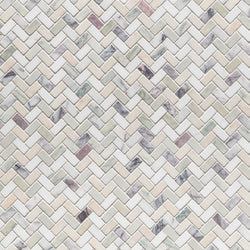
Thin herringbone nero marble mosaic
11" X 11-9/16" X 3/8"
Nero
Polished
$55.00 per S/F
If you're looking to create texture and visual interest, the herringbone tile pattern is a timeless choice that works across bathrooms, kitchens, and flooring spaces. Whether laid with equal sized rectangular tiles or using larger format tile, the zigzag pattern delivers a bold yet classic layout that suits both white tiles and black herringbone tiles, especially when paired with white grout or black grout for a high contrast theme. You’ll often find it on a shower floor, shower walls, kitchen backsplash, or even as herringbone white oak flooring in a pure white kitchen. From gray herringbone tiles to polished marble or warm wood flooring, the grout lines, size tile, and materials used shape the overall look and feel of the space. Check out our collection of herringbone tile options to find the perfect pattern, size, and shade for your bathroom, kitchen backsplash, or floor tile project.
Have you ever walked into a room and felt an immediate connection to its design, a sense of curated sophistication that just feels right? Often, that feeling stems from thoughtful details, and few design choices offer the immediate visual impact and timeless appeal of the herringbone tile pattern. It's a classic that continues to captivate, providing a compelling blend of tradition and modern flair. If you want to create a space that truly stands out, exploring the potential of herringbone tile is a fantastic place to start.
The herringbone pattern is instantly recognizable for its distinctive zigzag arrangement. This isn't just a random layout; it's a meticulously angled design where rectangular tiles are laid at a 45-degree angle to create an arrow-like or V-shaped sequence. This arrangement creates movement and depth in a way that straight-laid tiles simply can't.
What makes it so compelling? It's that it offers a wonderful sense of tailored artistry. This isn't a pattern that blends into the background; it draws the eye and gives a room a bit of visual interest. Whether you're working with wood flooring or ceramic tile, the inherent geometry of the herringbone layout creates an unexpected focal point and a sophisticated neutral that can grow with the space over time.
When it comes to floor tile, the herringbone pattern is certainly a powerhouse. Herringbone flooring, whether it's herringbone white oak flooring in a living room or a bold black herringbone tiles in a high-traffic area, immediately brightens up a room and provides a dynamic foundation.
Consider your kitchen floors. A herringbone tile pattern here can handle the daily hustle while adding a bit of texture to an otherwise basic room. For a bright, airy feel, you can opt for white tiles with white grout, letting plenty of natural light bounce around. If you want to go bold, black herringbone tiles create a high-contrast theme that pairs well with sleek, modern cabinetry, giving you an opportunity to have a bit of edgy style.
The bathroom floor is another prime spot for this pattern. It makes a big impact on the overall feel of the room, turning a practical space into a serene retreat. You can go for the traditional look with classic ceramic or stone, or you might consider larger format tile for a more contemporary twist.
Don't think the herringbone pattern is just for the floor! It translates beautifully to vertical surfaces, creating an unexpected focal point and adding visual interest to any room.
For an eye-catching take on bathroom design, consider herringbone tile on your shower walls. Gray herringbone tiles can give your shower area a sophisticated, spa-like feeling to your home with neutral tones, while white tiles can immediately brighten up the space. It adds a luxurious element that defines this space.
The kitchen backsplash is another area where herringbone truly excels. It serves as a striking focal point while pulling together the rest of the kitchen design. A pure white kitchen enhanced with a herringbone tile pattern backsplash looks exceptionally crisp. If you want to create a high contrast theme, consider black grout with white tiles; it certainly proves that it's a look that makes a big impact.
While the herringbone pattern is traditionally made with equal sized rectangular tiles, you can experiment with different size tile options. Large tiles can create a modern take that can make the space feel tailored and eclectic, while smaller ones can give a more intricate, classic feel. Keep in mind that depending on the size tile you choose, the overall visual might be bolder or more subdued.
The grout color is just as crucial as the tile itself. Grout lines don't have to blend in; they can actually enhance the tiles and bring modern appeal.
If you prefer the clean look of white walls and a bright aesthetic, white grout with white tiles creates a seamless design. This look works best when you want the texture of the pattern to be more prominent than high contrast lines.
For a bit of edgy contrast, especially with lighter tiles, black grout is a great way to add interest without being overwhelming. It defines each tile and can give a more graphic look that is particularly impactful with gray herringbone tiles or white tiles.
If you're going for a more understated aesthetic appeal, neutral-toned grout can blend into the background, letting the color and material of the tile take center stage.
The herringbone pattern isn't limited to a single material. Available in a wide range of materials and sizes, you can find a material that suits your style and needs.
These are often the most practical and popular tile choices due to their durability and versatility. They can emulate the look of wood, stone, or marble, making them incredibly adaptable.
Herringbone white oak flooring or other wood flooring types lend updated style to living areas, bedrooms, and even some kitchen designs. They offer natural color variations and realistic textures, all of which add even more subtle richness to a space.
For unparalleled luxury, marble herringbone tile adds a luxurious element to any space. It’s also elemental enough that it won’t look dated over time.
Blue or beige tiles are also beautiful choices that can give a bathroom a much needed pop of color and pattern.
When using the herringbone pattern, especially with larger format tile, consider how it interacts with the rest of your room. If you're using a bold pattern on the floor, you might want to keep the rest of the walls and furnishings in neutral tones to balance the impactful design. This prevents the room from feeling too busy or causing the space to appear overwhelming.
You could even continue the same herringbone flooring into an adjacent room to create a seamless design that draws the eye from one space to the next. This creates movement and depth in a subtle way.
Herringbone is also a great choice for livening up an otherwise simple room. If your home has interesting interior surfaces, adding this pattern is a perfect example of how to enhance them.
For an inviting atmosphere with just enough of a bold statement, consider pairing black herringbone tiles with white walls. This high-contrast look that pairs well with modern or industrial design, providing a lively pop of visual drama.
If you want to create a more understated yet sophisticated appearance, choose tiles with natural color variations and realistic textures. Gray herringbone tiles with a slightly darker grout can add even more subtle richness to the space, creating a timeless choice.
The herringbone tile pattern isn't just a trend; it's a timeless appeal. It's a classic that has been used for centuries, and for good reason. It immediately brings a classic feeling to your home. It’s easy to understand why it has become a go-to material for designers and homeowners alike.
Whether you're looking for a pattern that creates movement and depth in a small bathroom or a grand entrance, the herringbone layout is a fantastic option. It adds visual interest without being overwhelming, and its versatility means it can complement any style, from traditional to ultra-modern. Tile is a great option for areas that need to stand up to the toughest wear and tear.
Read Less11" X 11-9/16" X 3/8"
Nero
Polished
$55.00 per S/F
11" X 11-9/16" X 3/8"
Blue
Polished
$83.00 per S/F
11" X 11-9/16" X 3/8"
Lilac
Honed
$73.00 per S/F
11" X 11-9/16" X 3/8"
Thassos
Honed
$72.00 per S/F
11" X 11-9/16" X 3/8"
Thassos
Polished
$72.00 per S/F
11" X 11-9/16" X 3/8"
Bianco Antico
Honed
$64.00 per S/F
11" X 11-9/16" X 3/8"
Rosa Portogallo
Honed
$62.00 per S/F
11" X 11-9/16" X 3/8"
Vanilla
Honed
$65.00 per S/F
Honed Stone Herringbone 1.5cm X 3.0cm
$68.00 per S/F