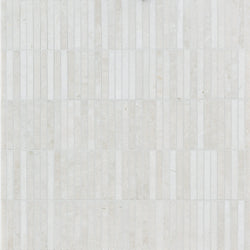
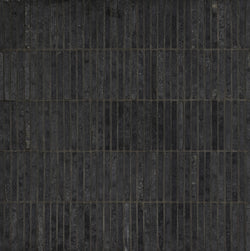
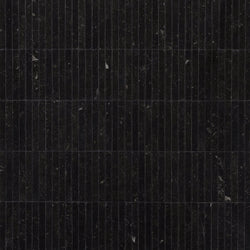
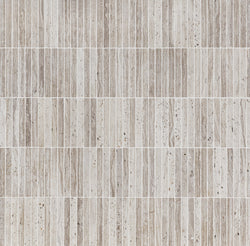
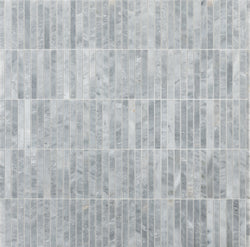
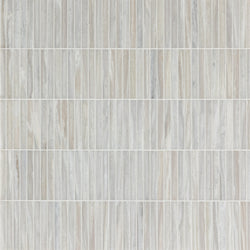
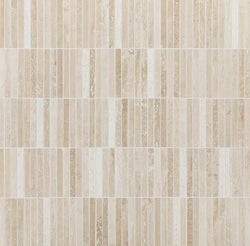
Veronese nero tile
24" X 24" X 3/8"
Nero
Honed
$33.00 per S/F
Looking for hallway tile ideas that feel intentional, stylish, and built for high traffic? From patterned floor tiles to clean white porcelain, discover tile options that can transform your entryway or hallway into a space that ties your whole home together. Whether you want bold contrast, soft neutrals, or natural stone texture, these tiles can help you create a grand entrance that feels as thoughtful as the rooms beyond.
If you want your home to feel thoughtful from the start, hallway tile ideas are the perfect place to begin. The entrance sets the tone. That tiled hallway between your front door and the rest of the house can easily become more than just a pass-through. With the right materials, layout, and color, this area turns into a grand entrance that’s both functional and beautiful.
You don’t need a lot of square footage to create a dream space. A small space like a hallway can still feel complete and inspiring when the flooring ties in with your home’s style. And since hallways are often high traffic areas, tile gives you an opportunity to have something stain resistant, easy to clean, and long-lasting.
Think about how often your hallway is used by you, your family, and every guest. Hallway tiles shouldn’t just be practical. They should feel like a design decision. Whether you’re working with a narrow hall or a larger foyer-style layout, the tile you choose will work as a visual connector between rooms.
Porcelain tile has become a go-to material in these spaces for good reason. It's incredibly strong, easy to maintain, and comes in styles that suit nearly any house. You’ll find porcelain in light colors, dark tones, and patterns that mimic materials like wood and stone. It's a great idea for homes with kids or pets where flooring needs to stand up to everyday use.
You can also think about the entryway and hallway as a continuous space. Many designers treat the entry and hall as one, especially when the floor tiles connect into the dining room or lead toward a tiled kitchen. This lets you keep the rest of the flooring consistent and visually connected.
White floor tiles are an excellent choice if you want a clean, airy feel. Paired with white walls, they can make a small hallway feel wider and brighter. Just be sure to match the grout lines carefully to keep the overall look fresh. If you're going with darker tiles, warm neutrals like taupe, sand, or soft gray help ground the space without making it feel dark.
Tile isn’t just for kitchens and bathrooms. With a bit of creativity, hallway tile ideas can feel just as custom as any room in the house. You can easily get creative with layout, trim, and materials. Want something that feels architectural? Use a stone tile with natural color variations and realistic textures to create movement and depth in the flooring. Add a border tile in a contrasting tone for a more structured feel.
If you do want to go bold, patterned floor tiles are a great way to make the space feel intentional. A black-and-white checkerboard layout or a mosaic of neutral tones can create an unexpected focal point. This look actually works best when you keep the rest of the hallway clean with simple paint, light trim, and minimal decor.
Laying your tile in a herringbone pattern can give the space motion and character without overwhelming it. It’s a perfect example of how floor tiles can bring style into a narrow hall. Herringbone also adds a bit of edgy energy that draws the eye from one end to the other.
The grout you use plays a huge role in the overall look. Dark grout lines paired with light tiles make the pattern more visible and graphic. If you want your tile to blend into the background, use grout that’s close in color. Keep in mind that too much pattern and contrast can cause the space to appear shorter or busier, so balance is key.
Each material offers its own design possibilities. Porcelain tile is often the most practical and cost-effective. It can mimic the look of wood or slate while standing up to foot traffic without concern.
Ceramic tiles are also excellent choices for a hallway. They're easy to clean, available in tons of styles, and work well in transitional spaces that lead from the door to the rest of the home.
If your goal is natural beauty, marble and other natural stone tiles can be a great choice. They lend updated style to any hallway, especially in homes where the architecture leans traditional. Slate is another beautiful option that brings texture and richness to the floor.
Color does more than you think. Light tiles in soft beige or warm gray can immediately brighten up a hall with little natural light. White floor tiles combined with crisp white walls and trim create a modern take that can still feel classic.
Want more depth? Pair dark tile with lighter grout and keep the ceiling and walls bright. This color contrast pulls together the rest of the space, making it feel layered without being too dramatic.
You can go for the traditional polished look or lean into the organic feel of stone, wood-look, or textured ceramic. The style you choose just needs to work with the rest of your home's overall look.
In a small space like a narrow hallway, layout is everything. Large format tiles, laid parallel to the length of the hall, can help stretch the visual line. This creates a timeless look, whether you're working with porcelain or ceramic.
You could even run your tile from the entryway through the hall into an open dining room to create cohesiveness. Or use a different laying pattern in each area to distinguish zones while still using the same material.
Laying tile at a diagonal is another great idea. It draws the eye from corner to corner, adds a fun, playful energy, and makes the hall feel more spacious.
Tile is only one part of the design. Wall color, trim, and even the ceiling matter when you're finishing off a tiled hallway. Use white paint on the ceiling and light-colored trim to keep things clean and connected. Match or coordinate with your floor tile so everything works together visually.
You can also continue the tile partway up the wall as wainscoting. This is especially smart in high traffic areas where walls are prone to scuffs or marks. It adds a bit more texture to an otherwise basic hallway and helps tie the whole look together.
If you want to create a hallway that feels more intentional, tile is a great option. With just enough of a pattern, color, or material change, your hallway tiles can feel like a design moment, not just something functional.
From patterned floor tiles to light-reflecting porcelain, the options are all beautiful choices that can grow with the space over time. Whether you’re leaning into warm neutrals, bold marble, or classic ceramic tiles, your hallway can easily become a space that welcomes you in and pulls together the rest of your home.
Read Less24" X 24" X 3/8"
Nero
Honed
$33.00 per S/F
24" X 24" X 3/8"
Crema
Honed
$28.00 per S/F
24" X 24" X 3/8"
Multi Colore
Honed
$33.00 per S/F
24" X 24" X 3/8"
Verde Perlino
Honed
$33.00 per S/F
24" X 24" X 3/8"
Fumo Rosato
Honed
$33.00 per S/F
11-7/8" X 12-7/16" X 3/8"
Bianco Dolomiti
Honed
$50.00 per S/F
11-7/8" X 12-7/16" X 3/8"
Nero
Honed
$40.00 per S/F
11-7/8" X 12-7/16" X 3/8"
Calacatta Gold
Honed
$50.00 per S/F
11-7/8" X 12-7/16" X 3/8"
Vanilla
Honed
$59.00 per S/F
11-7/8" X 12-7/16" X 3/8"
White Sand
Honed
$44.00 per S/F
11-7/8" X 12-7/8" X 3/8"
Arabescato D'oro
Honed
$51.00 per S/F
12-7/16" X 11-7/8" X 1/2"
Noir
Antiqued
$36.00 per S/F
12-7/16" X 11-7/8" X 1/2"
Sea Grey
Antiqued
$36.00 per S/F
11-7/8" X 12-7/16" X 3/8"
Birch White
Honed
$60.00 per S/F
11-7/8" X 12-7/16" X 3/8"
Viola Reale
Honed
$56.00 per S/F
11-7/8" X 12-7/16" X 3/8"
Bianco Carrara
Honed
$40.00 per S/F
11-7/8" X 12-7/16" X 3/8"
Ocean Blue
Honed
$64.00 per S/F
11-7/8" X 12-7/16" X 3/8"
Belgian Bluestone
Honed
$42.00 per S/F
11-7/8" X 12-7/16" X 3/8"
Cloud
Honed
$38.00 per S/F
11-7/8" X 12-7/16" X 3/8"
Grigio Toscana
Honed
$48.00 per S/F
11-7/8" X 12-7/16" X 3/8"
Smoke
Honed
$47.00 per S/F
11-7/8" X 12-7/16" X 3/8"
Volakas White
Honed
$43.00 per S/F
11-7/8" X 12-7/8" X 3/8"
Rosa Minerva
Honed
$51.00 per S/F
11-7/8" X 12-7/16" X 3/8"
Bianco Dei
Honed
$64.00 per S/F
11" X 11-9/16" X 3/8"
Nero
Polished
$55.00 per S/F
11" X 11-9/16" X 3/8"
Blue
Polished
$83.00 per S/F
11" X 11-9/16" X 3/8"
Lilac
Honed
$73.00 per S/F
11" X 11-9/16" X 3/8"
Thassos
Honed
$72.00 per S/F
11" X 11-9/16" X 3/8"
Thassos
Polished
$72.00 per S/F
11" X 11-9/16" X 3/8"
Bianco Antico
Honed
$64.00 per S/F
11" X 11-9/16" X 3/8"
Rosa Portogallo
Honed
$62.00 per S/F
11" X 11-9/16" X 3/8"
Vanilla
Honed
$65.00 per S/F
11-1/8" X 11-15/16" X 3/8"
Green
Honed
$72.00 per S/F
11-1/8" X 11-15/16" X 3/8"
White Blend
Honed
$69.00 per S/F
11-1/8" X 11-15/16" X 3/8"
Azul Cielo
Honed
$78.00 per S/F
11-1/8" X 11-15/16" X 3/8"
Nero
Honed
$58.00 per S/F
11-1/8" X 11-15/16" X 3/8"
Pink
Honed
$62.00 per S/F
11-1/8" X 11-15/16" X 3/8"
Vanilla
Polished
$88.00 per S/F
11-1/8" X 11-15/16" X 3/8"
White Sand
Honed
$53.00 per S/F
16" X 32" X 3/8"
Grey
Bush Hammered
$14.00 per S/F
16" X 32" X 3/8"
White
Bush Hammered
$14.00 per S/F
16" X 32" X 3/8"
Brown
Bush Hammered
$14.00 per S/F
16" X 32" X 3/8"
Taupe
Bush Hammered
$14.00 per S/F
19-5/8" X 31" X 3/8"
Bianco Dolomiti
Honed
$140.00 per S/F
19-5/8" X 31" X 3/8"
Calacatta Bluette
Honed
$140.00 per S/F
19-5/8" X 31" X 3/8"
Calacatta Gold
Honed
$140.00 per S/F
19-5/8" X 31" X 3/8"
Bianco Antico
Honed
$125.00 per S/F
24" X 24" X 3/8"
Linen
Matte
$12.00 per S/F
24" X 24" X 3/8"
Ecru
Matte
$12.00 per S/F
24" X 24" X 3/8"
Dune
Matte
$12.00 per S/F
24" X 24" X 3/8"
Camel
Matte
$12.00 per S/F
24" X 24" X 3/8"
Earth
Matte
$12.00 per S/F
24" X 24" X 3/8"
Jasper
Matte
$12.00 per S/F
24" X 48" X 3/8"
Linen
Matte
$13.00 per S/F
24" X 48" X 3/8"
Ecru
Matte
$13.00 per S/F
24" X 48" X 3/8"
Earth
Matte
$13.00 per S/F
24" X 48" X 5/16"
White
Matte
$13.00 per S/F
24" X 48" X 5/16"
Beige
Matte
$13.00 per S/F
24" X 48" X 5/16"
Grey
Matte
$13.00 per S/F
24" X 48" X 11/32"
Cream
Semi-Polished
$19.00 per S/F
24" X 48" X 11/32"
Sand
Semi-Polished
$19.00 per S/F
12-13/16" X 12-3/4" X 3/8"
Grey Foussana
Honed
$44.00 per S/F
12-13/16" X 12-3/4" X 3/8"
Bardiglio
Honed
$44.00 per S/F
12-13/16" X 12-3/4" X 3/8"
Smoke
Honed
$44.00 per S/F
12-13/16" X 12-3/4" X 3/8"
Naica
Matte
$44.00 per S/F
9-3/4" X 4-1/4" X 3/8"
Blue
Tumbled
$225.00 per S/F
9-3/4" X 4-1/4" X 3/8"
Grey
Tumbled
$225.00 per S/F
9-3/4" X 4-1/4" X 3/8"
Cream
Tumbled
$225.00 per S/F
$43.68 each
4-5/16" X 21-1/4" X 3/8"
Avorio
Matte
$18.00 per S/F
4-5/16" X 21-1/4" X 3/8"
Ecru
Matte
$17.00 per S/F
4-5/16" X 21-1/4" X 3/8"
Miele
Matte
$17.00 per S/F
4-5/16" X 21-1/4" X 3/8"
Tobacco
Matte
$16.00 per S/F
10-1/2" X 20-1/2" X 3/8"
Moca
Tumbled
$102.00 per S/F
10-1/2" X 20-1/2" X 3/8"
Noir
Tumbled
$102.00 per S/F
15-3/4" X 15-3/4" X 3/8"
Grey
Honed
$150.00 per S/F
15-3/4" X 15-3/4" X 3/8"
White
Honed
$150.00 per S/F
17-1/4" X 17-1/4" X 3/8"
Moca
Tumbled
$65.00 per S/F
17-1/4" X 17-1/4" X 3/8"
Pink
Tumbled
$65.00 per S/F
17-1/4" X 17-1/4" X 3/8"
Viola
Tumbled
$65.00 per S/F
24" X 48" X 3/8"
Sand
Textured
$15.00 per S/F
24" X 48" X 3/8"
Smoke
Textured
$15.00 per S/F
24" X 48" X 3/8"
Charcoal
Textured
$15.00 per S/F