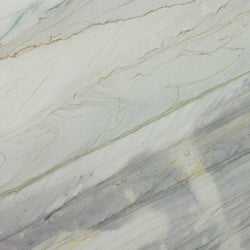
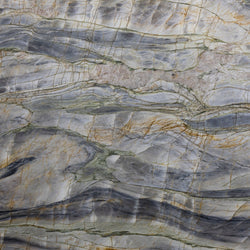
Bianco dolomiti standard dolomite tile
12" X 24" X 3/8"
Bianco Dolomiti Standard
Honed
$42.00 per S/F
Dolomite and quartzite are two natural stone materials that transform kitchen countertops, bathroom surfaces, and slabs into works of art. Both bring distinct beauty, shades, and qualities that inspire modern design while serving as timeless materials. If you’re weighing dolomite vs quartzite, understanding the differences will help you create the perfect space.
Dolomite rock and quartzite are both natural stone, yet their origins set them apart. Dolomite makes up much of the earth’s crust; it forms as a sedimentary rock created from lime mud and mineral dolomite. Over time, heat and pressure can shift dolomite into a marble tone with soft color variance.
Quartzite, by contrast, begins as quartz sandstone. Through intense geological forces, it hardens into one of the toughest countertop materials available. This transformation is why quartzite offers impressive strength and a look that’s often compared to marble but with added beauty and durability.
If you want to create kitchen countertops with a marble-like appearance, dolomite is a great option. Its shades of soft white, gray, and even dark grey mineral impurities give it a visual appeal that works in both classic and modern kitchen design. Super White is one well-known dolomite slab that many designers turn to for its stunning look.
Dolomite requires some care. Like marble, it’s softer than quartzite, which means heavy objects, scratches, and stains from lemon juice or acidic liquids can impact the surface. Cutting boards and a soft cloth for cleanup are essential if you want to prevent staining and etching. Still, dolomite makes a strong statement with its marble tone and gorgeous streaks.
Quartzite countertops are often praised because they stand up to the toughest kitchen use. If you want counters that can handle heavy objects and resist scratching, quartzite is one of the best natural stone materials you can install.
What sets quartzite apart is its hardness. The mineral impurities that run through quartzite create color variance and visual appeal, but they don’t take away from the durability of the stone. Fantasy Brown is an example of a material often compared with quartzite and dolomite because it blends earthy shades with movement that looks great in a modern kitchen.
This doesn’t mean quartzite is carefree; it does best with sealing to prevent staining, and a soft cloth is always the right way to clean stone surfaces. Still, quartzite offers beauty and strength in a way that few countertop materials can match.
| Attribute | Dolomite | Quartzite |
|---|---|---|
| Origin | Sedimentary rock formed from lime mud and mineral dolomite; can shift toward a marble tone over time | Quartz sandstone transformed through heat and pressure into a very hard natural stone |
| Hardness | Softer; more prone to scratches and wear from heavy objects | Very hard; stands up to tough use and high traffic |
| Reaction to Acidic Liquids | Sensitive to lemon juice, wine, and vinegar; can etch or stain if not sealed | More resistant; less likely to etch, though sealing helps prevent staining |
| Appearance | Soft white, gray, and dark grey tones with gorgeous streaks; marble-like appearance | Natural color variance with strong veining and movement; often bolder shades |
| Ideal Use | Kitchen counters with a marble tone, bathroom surfaces, decorative slabs | Kitchen countertops, bathroom vanities, slab backsplashes, commercial use |
| Care & Sealing | Needs regular sealing; cutting boards and a soft cloth recommended for upkeep | Lower maintenance; sealing still suggested but requires less attention |
| Cost | Generally lower; Super White and other slabs can vary in price | Often higher due to fabrication difficulty and high durability |
| Long-Term Value | Beautiful stone, but upkeep and etching risk may shorten usable life in busy kitchens | Durability supports long-term investment; strength and visual appeal add value |
When it comes to visual appeal, dolomite and quartzite both offer natural beauty but in different ways.
If you prefer the clean look of marble but want a bit more durability, dolomite is a smart path. If you want stone surfaces that make a big impact on the overall feel of the kitchen, quartzite offers more visual power.
Another important comparison in dolomite vs quartzite is upkeep. Dolomite requires regular sealing, especially in kitchen countertops exposed to lemon juice, wine, and other acids. You’ll want to use cutting boards for protection and keep a soft cloth nearby to wipe spills quickly.
Quartzite also benefits from sealing, but it’s less prone to etching or scratching. This makes it more forgiving for busy kitchens, especially when heavy objects or sharp tools come into play.
Both materials can last years if cared for properly, but quartzite requires less constant attention.
Both dolomite and quartzite work great in kitchen countertops, bathroom counters, and even slabs used for fireplace surrounds.
Both can be finished in a leather finish for more texture, or polished if you want a smoother look.
When planning a kitchen, the choice of material is as much about lifestyle as it is about beauty. Dolomite gives you a marble-like appearance that ties into a softer, classic kitchen design. Quartzite offers you a stronger surface that functions both as a design feature and a hardworking countertop material.
If you want to go bold, quartzite creates a high-contrast look that pairs well with darker cabinets. If you prefer understated tones, dolomite gives you an opportunity to have a marble-like style that blends into the rest of the space.
Both can be installed as slabs or cut into tile, giving you options for creative layouts that tie into the rest of your home.
The debate of dolomite vs quartzite comes down to what you value most: the softer marble tone and beauty of dolomite or the strength and color variance quartzite offers. Both create stone surfaces with gorgeous streaks, aesthetic appeal, and shades that serve as the backbone of modern kitchen design.
If you want to create a space that pulls together the rest of the home, Artistic Tile offers natural stone slabs, mosaics, and countertops in dolomite and quartzite. Each slab is unique, letting you bring your vision to life with a material that feels personal and inspiring. Visit Artistic Tile to explore dolomite and quartzite collections that can easily become the centerpiece of your next kitchen or bathroom design.
Read Less12" X 24" X 3/8"
Bianco Dolomiti Standard
Honed
$42.00 per S/F
12" X 24" X 3/8"
Bianco Dolomiti Standard
Polished
$41.00 per S/F
12" X 24" X 3/8"
Bianco Dolomiti Extra
Polished
$56.00 per S/F
12" X 24" X 3/8"
Bianco Dolomiti Select
Honed
$50.00 per S/F
24" X 24" X 3/8"
Bianco Dolomiti Select
Honed
$89.00 per S/F
4" X 12" X 3/8"
Bianco Dolomiti A1 Select
Honed
$36.00 per S/F
4" X 4" X 3/8"
Bianco Dolomiti
Honed
$48.00 per S/F
12" X 24" X 3/8"
Bianco Dolomiti Select
Polished
$50.00 per S/F
18" X 36" X 3/8"
Bianco Dolomiti Select
Polished
$91.00 per S/F
4" X 12" X 3/8"
Bianco Dolomiti A1 Select
Polished
$36.00 per S/F
Honed Stone
$86.00 per S/F
Polished Stone
$152.00 per S/F
$0.00 each
Honed Stone
$80.00 per S/F
$0.00 each
1-1/4"
Naica
Polished
$140.00 per S/F
3/4"
Naica
Leather
$100.00 per S/F
3/4"
Naica
Honed
$100.00 per S/F
3/4"
Naica
Polished
$100.00 per S/F
Polished Stone
$140.00 per S/F
Polished Stone
$50.00 per S/F
3/4"
Bianco Dolomiti Extra
Polished
$240.00 per S/F
3/4"
Bianco Dolomiti Select
Polished
$160.00 per S/F
1-1/4"
Bianco Dolomiti Extra
Polished
$285.00 per S/F
Polished Stone Straight Joint 3.0cm
$75.00 per S/F
$0.00 each
3/4"
Blue Sky
Honed
$90.00 per S/F
3/4"
Blue Sky
Polished
$90.00 per S/F