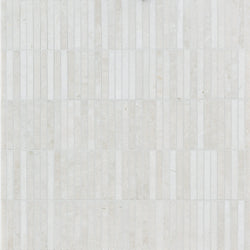
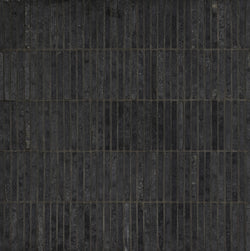
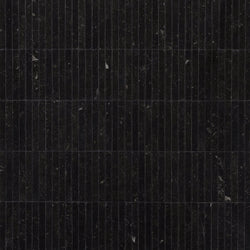
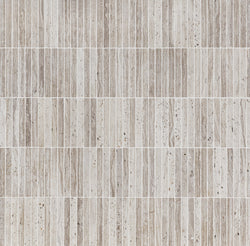
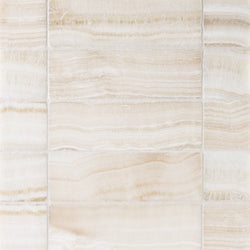
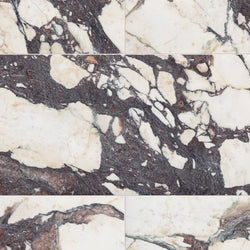
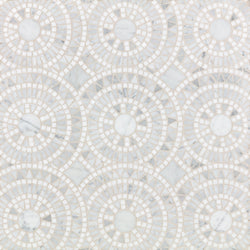
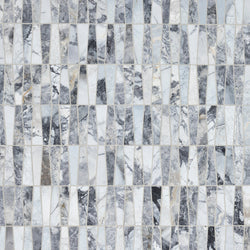
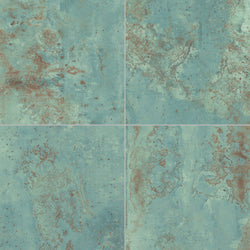
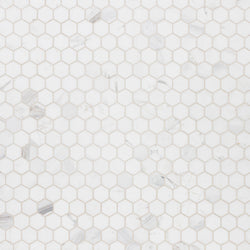
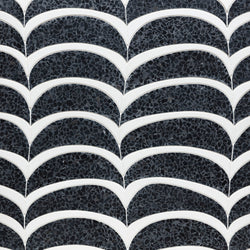
Billie navy mosaic
6-3/16" X 10-1/2" X 1/8"
Navy
Gloss
$98.00 per S/F
Discover our collection of large format shower tiles, available in porcelain and natural stone finishes. These oversized tiles create a seamless, modern look with fewer grout lines, making cleaning easier and the space feel larger. With a variety of sizes and textures, they’re perfect for adding style and durability to your shower walls and floors.
When it comes to your bathroom, the shower space deserves special attention. It’s where you begin and end many of your days; that’s why bathroom shower tile is more than a surface, it’s a statement. Whether you're deep into a bathroom renovation or simply refreshing your shower walls, the tile you go with can make or break the look, feel, and experience of the entire room.
From shower floor use to ceiling-high wall tile, this guide covers everything you need to know to select the best bathroom shower tile, and dominate your project with style, precision, and substance.
Shower tiles aren't just aesthetic pieces; they shape the personality of your bathroom design and how the space performs daily. Tiles affect lighting, safety, comfort, and even how big or small your shower appears.
And here’s the key: the best shower tiles are the ones that feel just right for you. Whether that means bold natural stone, simple ceramic, or sleek porcelain, you can find a tile that suits your style and keeps your space functional.
Choosing the right tile for bathroom shower spaces means thinking about water performance, grout lines, traction, and overall texture. Let’s break down some of the most standout options:
A classic for a reason. Ceramic is lightweight, cost-effective, and perfect for walls. If you want a tile that can be installed with minimal fuss, ceramic tiles can give you that smooth, clean look.
These are denser than ceramic and better suited for shower floors or full shower walls. They hold up under heavy use and come in a wide range of textures, colors, and finishes, from matte to glossy.
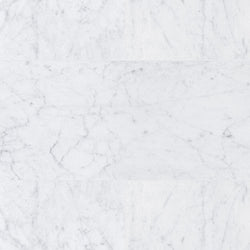
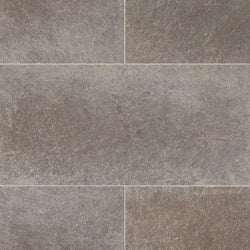
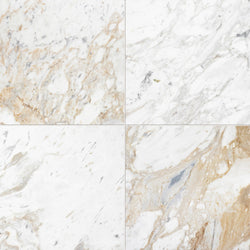
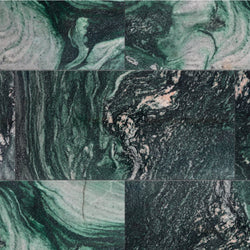
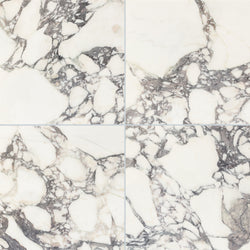
Think marble, travertine, or slate. These tiles are heavier, but they offer natural color variations and textures that are realistic and rich. They’re best when you want to give your shower space a touch of nature and depth.
These reflect light beautifully and work well in smaller spaces, giving a light, airy feel. Just be sure to pair them with grout that enhances the shine and structure.
To really transform your bathroom, it helps to understand where each tile works best.
Larger tiles work great on shower walls. They minimize grout lines and can make your shower feel more spacious. Glossy finishes bounce light, while matte tiles tone things down for a more muted style.
Here, traction is everything. Smaller tiles (mosaic formats) provide better grip. Look for tiles that offer texture without sharp edges; this keeps things comfortable and safer underfoot.
These details can either stand out or blend in. You can go for the traditional look with matching tiles, or play with metallic, glass, or patterned inserts to contrast the shower walls. Trims and accessories can finish the edges beautifully.
Picking the best bathroom shower tile depends on more than just looks. Here’s what to think about before you shop:
The shower floor is where traction matters most. Matte finishes and smaller tiles (with more grout for grip) help prevent slips.
Grout can collect mildew, especially in high-moisture spaces. Choose tiles that are simple to clean and go with grout lines that are sealed and manageable.
Want to tie your shower into the rest of the bathroom? Use wall tile that extends outside the shower space, or carry the same tile across the floor. This draws the eye from one area to the next, giving the illusion of more room.
The best bathroom tiles for shower use are the ones that find the sweet spot between personality and restraint.
If your home has interesting interior surfaces, consider natural stone like travertine for a raw, grounded feel.
To really give your bathroom a bold edge, think contrasting shapes like patterned floor tile paired with straight-cut wall tile.
For a warm, lived-in look, matte ceramic in soft earth tones like clay or sand can create that without overwhelming the space.
There’s more to tile than material, shape and layout can also impact how your shower feels.
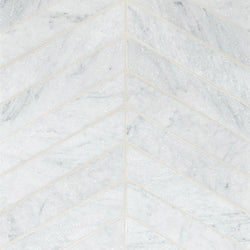
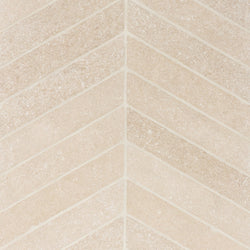
Subway tile in a herringbone layout creates motion and energy.
Large-format tile that extends above the shower walls can elongate a smaller space.
Vertical stacks make ceilings feel higher.
Hexagon tiles are great for shower floors, adding visual interest and grip.
If you prefer the clean look of traditional tile but still want some intrigue, consider pairing more neutral tiles with metallic or glass accents.
Grout isn’t just the filler between your tiles; it defines them. Bright white grout draws attention to tile shapes, while dark grout can fade into the background, letting the tile color shine.
Want to make a shower niche pop? Outline it with a contrasting grout or metallic trim.
Keep in mind: grout should always be sealed properly to avoid mildew. This keeps your bathroom looking fresh and clean for longer.
You don’t need to overspend to get amazing results. Here's how to plan smart:
Use higher-end tile like marble or glass as accents in shower niches or borders.
Go with ceramic or porcelain for the majority of your shower walls or floor to stay within budget.
You can easily get creative with layout rather than material to stretch your budget without compromising style.
A well-thought-out shower isn’t just about the tiles themselves, it’s about the way they interact with light, space, and daily life. Bathroom shower tile can be bold, subtle, or somewhere in between, but it should always feel intentional.
From selecting the best shower tiles to understanding how to make them work in your bathroom renovation, this guide gives you the power to create a shower that looks as good as it performs.
To complete the look, think beyond tile: coordinate with matching trims, smart accessories, and functional shelves or benches.
Tile gives the shower space its identity, so be bold, be clear, and above all, be sure the tile you install is one you’ll love every time you step in.
Need inspiration? Don’t be afraid to shop tile samples At Artistic Tile, test grout colors, or even mock up your layout digitally before you commit. The right bathroom shower tile doesn’t have to be complicated, but it should be unforgettable.
Smaller tiles with a matte finish work best on the shower floor because they provide more grout lines, which increase traction. Porcelain mosaics and textured finishes are commonly used in shower floor use because they strike a smart balance between grip and design, keeping things safe without sacrificing style.
Yes, though not every tile works equally well on both surfaces. Glossy or smooth wall tile can feel slippery underfoot, so it’s better to use textured or matte tiles for the shower floor. If you want consistency, select a tile series that includes finishes made for both walls and floors.
Porcelain is more dense and works well in areas with constant water contact, making it a smart pick for both shower floors and walls. Ceramic tends to be lighter and easier to work with, so it’s often used for wall tile where moisture levels are moderate.
In smaller spaces, large-format tiles on the shower walls can visually stretch the space. Go for light, neutral colors to brighten the room. For the shower floor, use smaller tiles that increase grip and give more design control over slopes and corners.
Grout lines frame your tile and change how the entire shower looks. A matching grout gives a soft, unified appearance, while darker grout paired with lighter tiles offers contrast and hides stains better. Either way, sealing the grout helps keep it free of mildew.
For a sleek, updated look, use porcelain tiles with a matte finish, clean lines, and subtle textures. Neutral tones paired with metallic trims or glass tile accents will brighten the design and pair quite well with minimal detailing for a clean layout that doesn’t feel flat.
Absolutely. Natural stone like marble or travertine is commonly found in high-end bathroom design and brings natural texture and depth into your shower space. You should know that this material needs sealing to protect against moisture, but it offers unmatched character and variation.
Use patterned tile, metallic trim, or even a different finish within the shower niche. This is a great way to create a little pop of interest without distracting from the rest of your shower walls. Framing the niche helps define it without making it too bold.
Vertical layouts make the shower walls feel taller, while horizontal large tiles can widen the visual footprint of the room. Using a neutral tile with minimal grout lines draws the eye through the space. It’s a layout choice that works especially well in smaller bathrooms.
Tiling to the ceiling gives your shower a finished, architectural look and helps keep water off painted surfaces. It’s also easier to clean long-term. Tiles that extend above the shower walls can also visually lift the space and pair nicely with a consistent bathroom tile layout.
Read Less6-3/16" X 10-1/2" X 1/8"
Navy
Gloss
$98.00 per S/F
6-3/16" X 21-1/16" X 1/8"
Ombre Blue
Gloss
$140.00 per S/F
6-3/16" X 10-1/2" X 1/8"
Light Blue
Gloss
$98.00 per S/F
6-3/16" X 10-1/2" X 1/8"
Dark Green
Gloss
$98.00 per S/F
6-3/16" X 10-1/2" X 1/8"
Grey
Gloss
$98.00 per S/F
6-3/16" X 10-1/2" X 1/8"
Ice White
Gloss
$98.00 per S/F
6-3/16" X 21-1/16" X 1/8"
Ombre Green
Gloss
$138.00 per S/F
6-3/16" X 10-1/2" X 1/8"
Pale Green
Gloss
$98.00 per S/F
6-3/16" X 10-1/2" X 1/8"
Moonbeam
Gloss
$98.00 per S/F
6-3/16" X 21-1/16" X 1/8"
Ombre Moonbeam
Mixed Finish
$140.00 per S/F
8-7/16" X 8-7/16" X 3/8"
Bianco Dolomiti
Polished
$73.00 per S/F
8-7/16" X 8-7/16" X 3/8"
Vanilla
Polished
$88.00 per S/F
24" X 24" X 3/8"
Nero
Honed
$33.00 per S/F
24" X 24" X 3/8"
Crema
Honed
$28.00 per S/F
24" X 24" X 3/8"
Multi Colore
Honed
$33.00 per S/F
24" X 24" X 3/8"
Verde Perlino
Honed
$33.00 per S/F
24" X 24" X 3/8"
Fumo Rosato
Honed
$33.00 per S/F
11-7/8" X 12-7/16" X 3/8"
Bianco Dolomiti
Honed
$50.00 per S/F
11-7/8" X 12-7/16" X 3/8"
Nero
Honed
$40.00 per S/F
11-7/8" X 12-7/16" X 3/8"
Calacatta Gold
Honed
$50.00 per S/F
11-7/8" X 12-7/16" X 3/8"
Vanilla
Honed
$59.00 per S/F
11-7/8" X 12-7/16" X 3/8"
White Sand
Honed
$44.00 per S/F
11-7/8" X 12-7/8" X 3/8"
Arabescato D'oro
Honed
$51.00 per S/F
12-7/16" X 11-7/8" X 1/2"
Noir
Antiqued
$36.00 per S/F
12-7/16" X 11-7/8" X 1/2"
Sea Grey
Antiqued
$36.00 per S/F
11-7/8" X 12-7/16" X 3/8"
Birch White
Honed
$60.00 per S/F
11-7/8" X 12-7/16" X 3/8"
Viola Reale
Honed
$56.00 per S/F
11-7/8" X 12-7/16" X 3/8"
Bianco Carrara
Honed
$40.00 per S/F
11-7/8" X 12-7/16" X 3/8"
Ocean Blue
Honed
$64.00 per S/F
11-7/8" X 12-7/16" X 3/8"
Belgian Bluestone
Honed
$42.00 per S/F
11-7/8" X 12-7/16" X 3/8"
Cloud
Honed
$38.00 per S/F
11-7/8" X 12-7/16" X 3/8"
Grigio Toscana
Honed
$48.00 per S/F
11-7/8" X 12-7/16" X 3/8"
Smoke
Honed
$47.00 per S/F
11-7/8" X 12-7/16" X 3/8"
Volakas White
Honed
$43.00 per S/F
11-7/8" X 12-7/8" X 3/8"
Rosa Minerva
Honed
$51.00 per S/F
11-7/8" X 12-7/16" X 3/8"
Bianco Dei
Honed
$64.00 per S/F
Broken Joint 1.0cm
Bianco Dolomiti
Honed
$50.00 per S/F
Broken Joint 3.0cm
Bianco Dolomiti
Polished
$40.00 per S/F
Hexagon 3.0cm
Bianco Dolomiti
Polished
$45.00 per S/F
Straight Joint 1.5cm
Bianco Dolomiti
Polished
$40.00 per S/F
1x3" Chevron
Bianco Dolomiti
Polished
$47.00 per S/F
11" X 11-9/16" X 3/8"
Nero
Polished
$55.00 per S/F
11" X 11-9/16" X 3/8"
Blue
Polished
$83.00 per S/F
11" X 11-9/16" X 3/8"
Lilac
Honed
$73.00 per S/F
11" X 11-9/16" X 3/8"
Thassos
Honed
$72.00 per S/F
11" X 11-9/16" X 3/8"
Thassos
Polished
$72.00 per S/F
11" X 11-9/16" X 3/8"
Bianco Antico
Honed
$64.00 per S/F
11" X 11-9/16" X 3/8"
Rosa Portogallo
Honed
$62.00 per S/F
11" X 11-9/16" X 3/8"
Vanilla
Honed
$65.00 per S/F
12-1/8" X 11-7/16" X 3/8"
Black
Polished
$48.00 per S/F
12-1/8" X 11-7/16" X 3/8"
Fete Multi Blend
Polished
$68.00 per S/F
12-1/8" X 11-7/16" X 3/8"
Light Grey
Polished
$53.00 per S/F
12-1/8" X 11-7/16" X 3/8"
White
Polished
$53.00 per S/F
12-1/8" X 11-7/16" X 3/8"
Cream
Honed
$57.00 per S/F
12-1/8" X 11-7/16" X 3/8"
Grigio Toscana
Honed
$53.00 per S/F
12-1/8" X 11-7/16" X 3/8"
White
Honed
$53.00 per S/F
11-1/8" X 11-15/16" X 3/8"
Green
Honed
$72.00 per S/F
11-1/8" X 11-15/16" X 3/8"
White Blend
Honed
$69.00 per S/F
11-1/8" X 11-15/16" X 3/8"
Azul Cielo
Honed
$78.00 per S/F
11-1/8" X 11-15/16" X 3/8"
Nero
Honed
$58.00 per S/F
11-1/8" X 11-15/16" X 3/8"
Pink
Honed
$62.00 per S/F
11-1/8" X 11-15/16" X 3/8"
Vanilla
Polished
$88.00 per S/F
11-1/8" X 11-15/16" X 3/8"
White Sand
Honed
$53.00 per S/F
Broken Joint 1.0cm
Lilac
Honed
$52.00 per S/F
Hexagon 3.0cm
Lilac
Honed
$28.00 per S/F
12" X 24" X 3/8"
Copper
Metallic
$15.50 per S/F
12" X 24" X 3/8"
Steel
Metallic
$15.50 per S/F
6-7/8" X 23" X 3/8"
Blue Ombre
Polished
$105.00 per S/F
6-7/8" X 23" X 3/8"
Cream Ombre
Polished
$105.00 per S/F
24" X 24" X 3/8"
Beige
Matte
$15.50 per S/F
24" X 24" X 3/8"
Blue
Matte
$15.50 per S/F
12-3/4" X 13-7/16" X 3/8"
Blue Blend
Polished
$110.00 per S/F
12-3/4" X 13-7/16" X 3/8"
Red Blend
Polished
$65.00 per S/F
12-3/4" X 13-7/16" X 3/8"
Green Blend
Polished
$65.00 per S/F
12" X 12-1/3" X 3/8"
Bianco Carrara
Polished
$52.00 per S/F
12" X 12-1/3" X 3/8"
Blue
Polished
$86.00 per S/F
12" X 12-1/3" X 3/8"
Calacatta Gold
Polished
$65.00 per S/F
12" X 12-1/3" X 3/8"
Thassos
Polished
$60.00 per S/F
4" X 12" X 3/8"
Arabescato
Tumbled
$44.00 per S/F
4" X 12" X 3/8"
Balkan Beige
Tumbled
$35.00 per S/F
4" X 12" X 3/8"
Bianco Carrara
Tumbled
$28.00 per S/F
4" X 12" X 3/8"
Nero Marquina
Tumbled
$38.00 per S/F
4" X 12" X 3/8"
Smoke
Tumbled
$30.00 per S/F
4" X 12" X 3/8"
Thassos
Tumbled
$52.00 per S/F
4" X 12" X 3/8"
Calacatta Rosa
Tumbled
$32.00 per S/F
4" X 12" X 3/8"
Rosa Portogallo
Tumbled
$45.00 per S/F
12" X 24" X 3/8"
Bianco Carrara
Tumbled
$40.00 per S/F
12" X 24" X 3/8"
Nero Marquina
Tumbled
$51.00 per S/F
12" X 24" X 3/8"
Smoke
Tumbled
$43.00 per S/F
12" X 24" X 3/8"
Brunetta
Tumbled
$48.00 per S/F
12" X 24" X 3/8"
Sabbia
Tumbled
$49.00 per S/F
24" X 3" X 3/8" Chevron
Bianco Carrara
Tumbled
$42.00 per S/F
24" X 3" X 3/8" Chevron
Smoke
Tumbled
$45.00 per S/F
24" X 3" X 3/8" Chevron
Brunetta
Tumbled
$50.00 per S/F
24" X 3" X 3/8" Chevron
Sabbia
Tumbled
$45.00 per S/F
12" X 24" X 3/8"
Rosa Portogallo
Tumbled
$50.00 per S/F
12" X 24" X 3/8"
Calacatta Rosa
Tumbled
$36.00 per S/F
24" X 3" X 3/8" Chevron
Rosa Portogallo
Tumbled
$55.00 per S/F
24" X 3" X 3/8" Chevron
Calacatta Rosa
Tumbled
$42.00 per S/F
4" X 12" X 3/8"
Cloud
Tumbled
$32.00 per S/F
4" X 12" X 3/8"
Vanilla
Tumbled
$74.00 per S/F
Orchid Dimensional
Bianco Carrara
20-13/16" X 24-1/4" X 3/8"
$230.00 per S/F
Orchid Flat
Bianco Carrara
20-13/16" X 24-1/4" X 3/8"
$185.00 per S/F
Orchid Dimensional
Nero
20-13/16"" X 24-1/4" X 3/8"
$225.00 per S/F
Orchid Flat
Nero
20-13/16"" X 24-1/4" X 3/8"
$185.00 per S/F
Orchid Dimensional
Thassos Multi
20-13/16" X 24-1/4" X 3/8"
$255.00 per S/F
Orchid Flat
Thassos Multi
20-13/16" X 24-1/4" X 3/8"
$230.00 per S/F
12" X 24" X 5/16"
Azul
Textured
$11.00 per S/F
12" X 24" X 5/16"
Bright
Textured
$11.00 per S/F
16" X 32" X 3/8"
Grey
Bush Hammered
$14.00 per S/F
16" X 32" X 3/8"
White
Bush Hammered
$14.00 per S/F
16" X 32" X 3/8"
Brown
Bush Hammered
$14.00 per S/F
16" X 32" X 3/8"
Taupe
Bush Hammered
$14.00 per S/F
Polished Stone Broken Joint 1.0cm
$60.00 per S/F
24" X 24" X 3/8"
Grey
Matte
$15.00 per S/F
24" X 24" X 3/8"
White
Matte
$15.00 per S/F
2-1/3" X 9-1/2" X 1/2"
White
Gloss
$38.00 per S/F
2-1/3" X 9-1/2" X 1/2"
Black
Gloss
$38.00 per S/F
2-1/3" X 9-1/2" X 1/2"
Bronze
Gloss
$46.00 per S/F
2-1/3" X 9-1/2" X 1/2"
Steel
Gloss
$46.00 per S/F
8.21" X 8.21" X 3/8"
Cloud
Honed
$110.00 per S/F
8.21" X 8.21" X 3/8"
Viola
Honed
$125.00 per S/F
8.21" X 8.21" X 3/8"
Multi
Honed
$115.00 per S/F
12 -3/8" X 12 -3/8" X 3/8"
White
Mixed Finish
$140.00 per S/F
12 -3/8” X 12 -3/8” X 3/8"
Black
Mixed Finish
$140.00 per S/F
Diamond
Calacatta Gold
Polished
$48.00 per S/F
Broken Joint 1.0cm
Calacatta Gold
Honed
$55.00 per S/F
Broken Joint 3.0cm
Calacatta Gold
Honed
$45.00 per S/F
Hexagon 3.0cm
Calacatta Gold
Honed
$50.00 per S/F
Straight Joint 1.5cm
Calacatta Gold
Honed
$45.00 per S/F
Broken Joint 3.0cm
Calacatta Gold
Polished
$45.00 per S/F
1x3" Chevron
Calacatta Gold
Polished
$50.00 per S/F
Straight Joint 1.5cm
Calacatta Gold
Polished
$45.00 per S/F
12" X 24" X 3/8"
Bianco Dolomiti Standard
Honed
$42.00 per S/F
12" X 24" X 3/8"
Bianco Dolomiti Standard
Polished
$41.00 per S/F
12" X 24" X 3/8"
Bianco Dolomiti Extra
Polished
$56.00 per S/F
12" X 24" X 3/8"
Bianco Dolomiti Select
Honed
$50.00 per S/F
24" X 24" X 3/8"
Bianco Dolomiti Select
Honed
$89.00 per S/F
4" X 12" X 3/8"
Bianco Dolomiti A1 Select
Honed
$36.00 per S/F
4" X 4" X 3/8"
Bianco Dolomiti
Honed
$48.00 per S/F
12" X 24" X 3/8"
Bianco Dolomiti Select
Polished
$50.00 per S/F
18" X 36" X 3/8"
Bianco Dolomiti Select
Polished
$91.00 per S/F
4" X 12" X 3/8"
Bianco Dolomiti A1 Select
Polished
$36.00 per S/F
Fringe Thin
Anthracite
5" X 5" X 1/2"
$54.00 per S/F
Fringe Thin
Grey
5" X 5" X 1/2"
$56.00 per S/F
Fringe Thin
Rose
5" X 5" X 1/2"
$54.00 per S/F
Fringe Thin
Red
5" X 5" X 1/2"
$54.00 per S/F
Fringe Bold
White
5" X 5" X 1/2"
$54.00 per S/F
Fringe Bold
Anthracite
5" X 5" X 1/2"
$54.00 per S/F
Fringe Bold
Grey
5" X 5" X 1/2"
$54.00 per S/F
Fringe Bold
Rose
5" X 5" X 1/2"
$54.00 per S/F
Fringe Bold
Red
5" X 5" X 1/2"
$54.00 per S/F
14-1/8" X 9-7/16" X 3/8"
Blue
Polished
$105.00 per S/F
14-1/8" X 9-7/16" X 3/8"
Grey
Polished
$95.00 per S/F
12" X 24" X 3/8"
Lilac
Honed
$25.00 per S/F
24" X 24" X 3/8"
Lilac
Honed
$28.00 per S/F
4" X 12" X 3/8"
Lilac
Honed
$18.00 per S/F
12" X 24" X 3/8"
Lilac Dark
Honed
$23.00 per S/F
5-15/16" X 5-15/16" X 3/8"
Black & Blue
Honed
$69.00 per S/F
5-15/16" X 5-15/16" X 3/8"
Grey
Honed
$69.00 per S/F
26-13/16" X 15- 3/16" X 3/8"
Bianco Dolomiti
Polished
$90.00 per S/F
26-13/16" X 15- 3/16" X 3/8"
Calacatta Gold
Polished
$90.00 per S/F
26-13/16" X 15- 3/16" X 3/8"
Nero
Polished
$90.00 per S/F
26-13/16" X 15- 3/16" X 3/8"
Thassos
Polished
$106.00 per S/F
26-13/16" X 15- 3/16" X 3/8"
Matcha Verde
Honed
$90.00 per S/F
26-13/16" X 15- 3/16" X 3/8"
White Sand
Honed
$90.00 per S/F
12" X 24" X 3/8"
Volakas White
Honed
$39.00 per S/F
4" X 12" X 3/8"
Volakas White
Honed
$35.00 per S/F
24" X 48" X 5/8"
Volakas White
Honed
$72.00 per S/F
18" X 18" X 3/8"
Volakas White
Honed
$44.00 per S/F
Honed 12" x 24" x 3/8" Stone Aris Edge
$67.00 per S/F
24" X 24" X 3/8"
Beige
High Honed/Undulated
$16.00 per S/F
24" X 24" X 3/8"
Grey
High Honed/Undulated
$16.00 per S/F
18 X 18 X 3/8"
Bianco Carrara
Roman Antiqued
$38.00 per S/F
12" X 24" X 3/8"
Bianco Carrara
Honed
$27.00 per S/F
12" X 24" X 3/8"
Bianco Carrara
Polished
$27.00 per S/F
18" X 18" X 3/8"
Bianco Carrara
Honed
$28.00 per S/F
24" X 24" X 3/8"
Bianco Carrara
Honed
$37.00 per S/F
6" X 12" X 3/8"
Bianco Carrara
Honed
$26.00 per S/F
4" X 4" X 3/8"
Bianco Carrara
Honed
$34.00 per S/F
18" X 36" X 3/8"
Bianco Carrara
Honed
$36.00 per S/F
4" X 12" X 3/8"
Bianco Carrara
Honed
$26.00 per S/F
4" X 12" X 3/8"
Bianco Carrara
Polished
$26.00 per S/F
14.76" X 16.25" X 3/8"
Cloud
Honed
$105.00 per S/F
14.76" X 16.25" X 3/8"
Viola
Honed
$110.00 per S/F
14.76" X 16.25" X 3/8"
Multi
Honed
$115.00 per S/F
12" X 24" X 3/8"
Belgian Bluestone
Honed
$33.00 per S/F
24" X 24" X 3/8"
Belgian Bluestone
Honed
$39.00 per S/F
Broken Joint 3.0cm
Pacific White
Polished
$28.00 per S/F
Hexagon 3.0cm
Pacific White
Polished
$33.00 per S/F
19-5/8" X 31" X 3/8"
Bianco Dolomiti
Honed
$140.00 per S/F
19-5/8" X 31" X 3/8"
Calacatta Bluette
Honed
$140.00 per S/F
19-5/8" X 31" X 3/8"
Calacatta Gold
Honed
$140.00 per S/F
19-5/8" X 31" X 3/8"
Bianco Antico
Honed
$125.00 per S/F
12" X 24" X 3/8"
Azul Cielo
Honed
$59.00 per S/F
12" X 12" X 3/8"
Azul Cielo
Polished
$50.00 per S/F
Polished Stone
$66.00 per S/F
24" X 48" X 3/8"
White
Matte
$13.00 per S/F
24" X 48" X 3/8"
Beige
Matte
$13.00 per S/F
24" X 48" X 3/8"
Grey
Matte
$13.00 per S/F
24" X 24" X 3/8"
Linen
Matte
$12.00 per S/F
24" X 24" X 3/8"
Ecru
Matte
$12.00 per S/F
24" X 24" X 3/8"
Dune
Matte
$12.00 per S/F
24" X 24" X 3/8"
Camel
Matte
$12.00 per S/F
24" X 24" X 3/8"
Earth
Matte
$12.00 per S/F
24" X 24" X 3/8"
Jasper
Matte
$12.00 per S/F
24" X 48" X 3/8"
Linen
Matte
$13.00 per S/F
24" X 48" X 3/8"
Ecru
Matte
$13.00 per S/F
24" X 48" X 3/8"
Earth
Matte
$13.00 per S/F
12" X 24" X 3/8"
Thassos A1 Select
Honed
$57.00 per S/F
3-7/8" X 12" X 3/8"
Thassos A1 Select
Honed
$40.00 per S/F
12" X 12" X 3/8"
Thassos A1 Select
Polished
$42.00 per S/F
12" X 24" X 3/8"
Thassos A1 Select
Polished
$56.00 per S/F
18" X 18" X 3/8"
Thassos A1 Select
Polished
$67.00 per S/F
6" X 12" X 3/8"
Thassos A1 Select
Polished
$28.00 per S/F
12" X 24" X 3/8"
Thassos A2 Standard
Polished
$41.00 per S/F
12" X 24" X 3/8"
Thassos A3 Commercial
Honed
$33.00 per S/F
12" X 12" X 3/8"
Thassos A3 Commercial
Polished
$32.00 per S/F
3- 5/16" X 4- 7/16" X 1/4"
Thassos
Honed
$56.00 per S/F
3- 5/16" X 4- 7/16" X 1/4"
Thassos
Polished
$56.00 per S/F
24" X 24" X 3/8"
Thassos A1 Select
Honed
$115.00 per S/F
Polished Stone Hexagon 3.0cm
$27.00 per S/F
12-23/32" X 11-1/23" X 3/8"
Gascogne Beige
Lightly Tumbled
$58.00 per S/F
12-23/32" X 11-1/23" X 3/8"
Sahara Blue
Lightly Tumbled
$58.00 per S/F
24" X 48" X 5/16"
White
Matte
$13.00 per S/F
24" X 48" X 5/16"
Beige
Matte
$13.00 per S/F
24" X 48" X 5/16"
Grey
Matte
$13.00 per S/F
8" X 48" X 3/8"
Blue
Matte
$16.00 per S/F
24" X 48" X 3/8"
Blue
Matte
$17.00 per S/F
24" X 48" X 3/8"
Blue
Polished
$19.00 per S/F
24" X 48" X 3/8"
White
Matte
$16.00 per S/F
24" X 48" X 3/8"
White
Polished
$18.00 per S/F
8" X 48" X 3/8"
Grey
Matte
$15.00 per S/F
8" X 48" X 3/8"
White
Matte
$15.00 per S/F
9" X 9" X 3/8"
Moca
Tumbled
$62.00 per S/F
9" X 9" X 3/8"
Pink
Tumbled
$62.00 per S/F
9" X 9" X 3/8"
Viola
Tumbled
$70.00 per S/F
8" X 8" X 3/8"
Sunrise Pink
Tumbled
$35.00 per S/F
8" X 8" X 3/8"
Sunrise Red
Tumbled
$35.00 per S/F
8" X 8" X 3/8"
Sunrise Gold
Tumbled
$35.00 per S/F
12" X 24" X 3/8"
Calacatta Gold
Honed
$71.00 per S/F
18" X 18" X 3/8"
Calacatta Gold
Honed
$83.00 per S/F
24" X 24" X 3/8"
Calacatta Gold
Honed
$120.00 per S/F
6" X 12" X 3/8"
Calacatta Gold
Honed
$54.00 per S/F
12" X 24" X 3/8"
Calacatta Gold
Polished
$71.00 per S/F
18" X 18" X 3/8"
Calacatta Gold
Polished
$83.00 per S/F
24" X 24" X 3/8"
Calacatta Gold
Polished
$120.00 per S/F
Straight Edge
Odessa Black Belgian Bluestone
18" X 18" X 3/8"
$38.00 per S/F
Chiseled Edge
Odessa Black Belgian Bluestone
18 X 18 X 3/8"
$38.00 per S/F
Honed Stone Trapezoid
$62.00 per S/F
20-1/8" X 20-1/8" X 3/8"
Green
Honed
$140.00 per S/F
20-1/8" X 20-1/8" X 3/8"
Onyx
Mixed Finish
$120.00 per S/F
Matte Porcelain
$19.00 per S/F
24" X 48" X 11/32"
Cream
Semi-Polished
$19.00 per S/F
24" X 48" X 11/32"
Sand
Semi-Polished
$19.00 per S/F
Honed Stone Hexagon 3.0cm
$47.00 per S/F
Polished Stone Broken Joint 1.0cm
$35.00 per S/F
Mapei Adesilex P10
White 43-Lb Bag
Mortar Thin Set
$70.00 each
Mapei Granirapid Liquid Additive
White 2-Gal Jug
Additive
$108.00 each
Mapei Keraply Latex Additive
White 2-Gal Jug
Additive
$53.00 each
Mapei Ultraflex Lft
White 50-Lb Bag
Mortar Medium Bed
$62.00 each
Mapei Kerabond Mortar
White 50-Lb Bag
Mortar Thin Set
$38.00 each
Mapei Keralastic
White 2-Gal Jug
Additive
$99.00 each
24" X 24" X 3/8"
Grey
Matte
$15.00 per S/F
24" X 24" X 3/8"
White
Matte
$15.00 per S/F
12-13/16" X 12-3/4" X 3/8"
Grey Foussana
Honed
$44.00 per S/F
12-13/16" X 12-3/4" X 3/8"
Bardiglio
Honed
$44.00 per S/F
12-13/16" X 12-3/4" X 3/8"
Smoke
Honed
$44.00 per S/F
12-13/16" X 12-3/4" X 3/8"
Naica
Matte
$44.00 per S/F
Honed Stone Broken Joint 1.0cm
$52.00 per S/F
24" X 24" X 3/8"
Viola Reale Select
Honed
$52.00 per S/F
12" X 24" X 3/8"
Viola Reale Classico
Honed
$24.00 per S/F
8-3/16" X 8-3/16" X 3/8"
Lilac
Honed
$45.00 per S/F
8-3/16" X 8-3/16" X 3/8"
Red Travertine
Honed
$45.00 per S/F
Polished Stone Straight Joint 1.5cm
$75.00 per S/F
Honed 12" x 24" x 3/8" Stone Aris Edge
$31.00 per S/F
Basketweave
Bianco Carrara w/Nero
Polished
$40.00 per S/F
Basketweave
Bianco Carrara w/Bardiglio
Polished
$40.00 per S/F
Hexagon 3.0cm
Bianco Carrara
Honed
$35.00 per S/F
Straight Joint 1.5cm
Bianco Carrara
Honed
$33.00 per S/F
Broken Joint 3.0cm
Bianco Carrara
Polished
$33.00 per S/F
Straight Joint 1.5cm
Bianco Carrara
Polished
$33.00 per S/F
$64.00 each
Honed Stone Broken Joint 1.0cm
$50.00 per S/F
21-1/16 X 6-3/16" X 3/8"
Desert Sunrise
Honed
$120.00 per S/F
10-1/2" X 6-3/16" X 3/8"
Desert Sunrise Red
Honed
$60.00 per S/F
12" X 24" X 3/8"
Jerusalem Pearl
Mixed Finish
$42.00 per S/F
12" X 24" X 3/8"
Thassos
Mixed Finish
$67.00 per S/F
12" X 24" X 1/2"
White Sand
Mixed Finish
$41.00 per S/F
9-3/4" X 4-1/4" X 3/8"
Blue
Tumbled
$225.00 per S/F
9-3/4" X 4-1/4" X 3/8"
Grey
Tumbled
$225.00 per S/F
9-3/4" X 4-1/4" X 3/8"
Cream
Tumbled
$225.00 per S/F
Honed 12" x 24" x 3/8" Stone Aris Edge
$40.00 per S/F
Polished Stone
$166.00 per S/F
18" X 18" X 3/8"
Breccia Vino
Polished
$44.00 per S/F
12" X 24" X 3/8"
Breccia Vino
Honed
$39.00 per S/F
Polished 18" x 18" x 3/8" Stone Aris Edge
$65.00 per S/F
16" X 16" X 5/8"
Black
Honed
$22.00 per S/F
16" X 16" X 5/8"
Dark Grey
Honed
$22.00 per S/F
16" X 16" X 5/8"
Light Grey
Honed
$22.00 per S/F
16" X 16" X 5/8"
White
Honed
$22.00 per S/F
16" X 16" X 5/8"
White
Polished
$22.00 per S/F
16" X 16" X 5/8"
Cream
Honed
$22.00 per S/F
19-5/8" X 31" X 3/8"
Bianco Dolomiti
Honed
$190.00 per S/F
19-5/8" X 31" X 3/8"
Calacatta Bluette
Honed
$190.00 per S/F
19-5/8" X 31" X 3/8"
Bianco Antico
Honed
$175.00 per S/F
Broken Joint 3.0cm
Thassos
Polished
$44.00 per S/F
Straight Joint 1.5cm
Thassos
Polished
$48.00 per S/F
24" X 24" X 3/8"
Ivory
Matte
$14.00 per S/F
24" X 24" X 3/8"
Ash
Matte
$14.00 per S/F
24" X 24" X 3/8"
Coal
Matte
$14.00 per S/F
Honed Stone Broken Joint 1.0cm
$50.00 per S/F
20" X 12" X 3/8"
Wheat
Mixed Finish
$190.00 per S/F
20" X 12" X 3/8"
Leaf
Mixed Finish
$190.00 per S/F
12" X 24" X 1/2"
White Sand
Honed
$44.00 per S/F
12" X 24" X 1/2"
White Sand
Polished
$44.00 per S/F
24" X 24" X 1/2"
White Sand
Polished
$48.00 per S/F
24" X 48" X 1/2"
White Sand
Honed
$62.00 per S/F
24" X 24" X 1/2"
White Sand
Honed
$48.00 per S/F
$779.65 each
18" X 18" X 3/8"
Macael White
Honed
$41.00 per S/F
18" X 18" X 3/8"
Macael Grey
Honed
$42.00 per S/F
18" X 18" X 3/8"
Portobello
Honed
$36.00 per S/F
9" X 18" X 3/8"
Bianco Carrara
Textured
$53.00 per S/F
9" X 18" X 3/8"
Grey Foussana
Textured
$53.00 per S/F
9" X 18" X 3/8"
Smoke
Textured
$53.00 per S/F
9" X 18" X 3/8"
Thassos
Textured
$82.00 per S/F
9" X 18" X 3/8"
Belgian Bluestone
Textured
$56.00 per S/F
Honed 18" x 18" x 3/8" Stone Straight Edge
$20.00 per S/F
Honed Stone Broken Joint 1.0cm
$55.00 per S/F
Honed 12" x 24" x 3/8" Stone Aris Edge
$33.00 per S/F
12" X 24" X 3/8"
Grigio Toscana
Textured
$57.00 per S/F
12" X 24" X 3/8"
Belgian Bluestone
Textured
$62.00 per S/F
12" X 24" X 3/8"
Verde
Textured
$67.00 per S/F
18" X 18" X 3/8"
Silver Wave
Brushed
$28.00 per S/F
12" X 24" X 3/8"
Silver Wave
Polished
$26.00 per S/F
High Honed/Undulated Porcelain
$15.00 per S/F
24" X 48" X 3/8"
Calacatta
Honed
$20.00 per S/F
24" X 48" X 3/8"
Calacatta
Polished
$22.00 per S/F
Honed 12" x 24" x 3/8" Stone
$24.00 per S/F
Honed 12" x 24" x 3/8" Stone
$31.00 per S/F
24" X 48" X 5/16"
Bianco
Matte
$13.00 per S/F
24" X 48" X 5/16"
Avorio
Matte
$13.00 per S/F
24" X 48" X 5/16"
Lino Avorio
Textured
$14.00 per S/F
$133.25 each
11-3/4" X 11-3/4" X 3/8"
Wenge
Matte
$18.00 per S/F
11-3/4" X 11-3/4" X 3/8"
Oak
Matte
$18.00 per S/F
11-3/4" X 11-3/4" X 3/8"
Walnut
Matte
$18.00 per S/F
24" X 48" X 3/8"
Light Grey
Matte
$11.00 per S/F
24" X 48" X 3/8"
Dark Grey
Matte
$11.00 per S/F
24" X 48" X 3/8"
Cream
Matte
$11.00 per S/F
24" X 48" X 3/8"
White
Matte
$11.00 per S/F
$408.00 each
$176.00 each
Honed Stone Broken Joint 1.0cm
$55.00 per S/F
13-3/8" X 14-1/2" X 3/8"
Moca
Tumbled
$65.00 per S/F
13-3/8" X 14-1/2" X 3/8"
Pink
Tumbled
$65.00 per S/F
13-3/8" X 14-1/2" X 3/8"
Viola
Tumbled
$75.00 per S/F
$43.68 each
$330.00 each
Ardex N23 Microtec
White 40-Lb Bag
Mortar Thin Set
$96.00 each
Ardex X4
White 40-Lb Bag
Mortar Thin Set
$34.00 each
Ardex X5
White 40-Lb Bag
Mortar Medium Bed
$45.00 each
Ardex X77 Microtec
White 40-Lb Bag
Mortar
$88.00 each
$353.76 each
4-5/16" X 21-1/4" X 3/8"
Avorio
Matte
$18.00 per S/F
4-5/16" X 21-1/4" X 3/8"
Ecru
Matte
$17.00 per S/F
4-5/16" X 21-1/4" X 3/8"
Miele
Matte
$17.00 per S/F
4-5/16" X 21-1/4" X 3/8"
Tobacco
Matte
$16.00 per S/F
Polished Stone
$175.00 per S/F
Honed 18" x 18" x 3/8" Stone Aris Edge
$58.00 per S/F
24" X 48" X 5/16"
Sabbia
Matte
$13.00 per S/F
24" X 48" X 5/16"
Crema Luna
Matte
$13.00 per S/F
24" X 48" X 5/16"
Grigio
Matte
$13.00 per S/F
48" X 48" X 5/16"
Sabbia
Matte
$13.00 per S/F
48" X 48" X 5/16"
Crema Luna
Matte
$13.00 per S/F
48" X 48" X 5/16"
Grigio
Matte
$13.00 per S/F
24" X 48" X 5/16"
Sabbia
Ribbed
$13.00 per S/F
24" X 48" X 5/16"
Crema Luna
Ribbed
$13.00 per S/F
24" X 48" X 5/16"
Grigio
Ribbed
$13.00 per S/F
$444.00 each
24-1/4" X 25" X 3/8"
Bianco Dolomiti
Mixed Finish
$150.00 per S/F
24-1/4" X 25" X 3/8"
Bianco Antico
Mixed Finish
$150.00 per S/F
24-1/4" X 25" X 3/8"
Belgian Bluestone
Mixed Finish
$150.00 per S/F
$154.80 each
11-13/16" X 11-3/4" X 3/8"
Black
Honed
$82.00 per S/F
11-13/16" X 11-3/4" X 3/8"
White
Honed
$87.00 per S/F
23-5/8" X 18-7/8" X 3/8"
Black
Honed
$75.00 per S/F
23-5/8" X 18-7/8" X 3/8"
White
Honed
$77.00 per S/F
11-13/16" X 11-3/4" X 3/8"
Pink
Honed
$97.00 per S/F
11-13/16" X 11-3/4" X 3/8"
Vanilla Onyx
Honed
$105.00 per S/F
23-5/8" X 23-5/8" X 3/8"
Grey
Matte
$15.00 per S/F
23-5/8" X 23-5/8" X 3/8"
Linen
Matte
$15.00 per S/F
23-5/8" X 23-5/8" X 3/8"
White
Matte
$15.00 per S/F
$396.00 each
Honed Stone Broken Joint 1.0cm
$55.00 per S/F
Honed Stone Broken Joint 1.0cm
$50.00 per S/F
Honed Stone Broken Joint 1.0cm
$55.00 per S/F
Honed 24" x 24" x 3/8" Porcelain Rectified
$10.00 per S/F
10" X 6-7/16" X 3/8"
Black
Polished
$63.00 per S/F
10" X 6-7/16" X 3/8"
White
Polished
$63.00 per S/F
20" X 6-7/16" X 3/8"
Grey
Polished
$125.00 per S/F
20" X 6-7/16" X 3/8"
Lilac
Polished
$125.00 per S/F
10-1/2" X 20-1/2" X 3/8"
Moca
Tumbled
$102.00 per S/F
10-1/2" X 20-1/2" X 3/8"
Noir
Tumbled
$102.00 per S/F
$660.00 each
Antiqued Stone Broken Joint 3.0cm
$28.00 per S/F
4" X 12" X 3/16"
Rosso Francia
Mixed Finish
$145.00 per S/F
12" X 24" X 3/8"
Rosso Francia
Honed
$105.00 per S/F
Semi-Polished Porcelain
$16.00 per S/F
Honed 12" x 24" x 3/8" Stone Aris Edge
$58.00 per S/F
$520.00 each
$600.00 each
Rustic 16" x 24" x 5/8" Stone Straight Edge
$26.00 per S/F
Rustic 16" x 24" x 5/8" Stone Soft Chiseled
$30.00 per S/F
Honed 24" x 24" x 3/8" Stone Aris Edge
$43.00 per S/F
Polished 12" x 24" x 3/8" Stone
$70.00 per S/F
Polished 18" x 18" x 3/8" Stone Aris Edge
$90.00 per S/F
$200.00 each
$35.00 per S/F
10-3/4" X 5-31/32" X 3/8"
Nero
Tumbled
$53.00 per S/F
10-3/4" X 5-31/32" X 3/8"
Afyon Grey
Tumbled
$30.00 per S/F
10-3/4" X 5-31/32" X 3/8"
White Sand
Tumbled
$53.00 per S/F
10-3/4" X 5-31/32" X 3/8"
Aya Gold
Tumbled
$59.00 per S/F
10-3/4" X 5-31/32" X 3/8"
Silver Grey
Tumbled
$53.00 per S/F
10-3/4" X 5-31/32" X 3/8"
Red Travertine
Tumbled
$53.00 per S/F
10-3/4" X 5-31/32" X 3/8"
Breccia Vino
Tumbled
$71.00 per S/F
16" X 32" X 9/16"
Grolla Olive
Undulated
$46.00 per S/F
16" X 32" X 9/16"
Grolla Olive
Brushed
$71.00 per S/F
16" X 32" X 9/16"
Grolla Olive
Textured
$66.00 per S/F
16" X 32" X 1-1/4"
Grolla Olive
Flamed
$50.00 per S/F
$279.00 each
17-1/4" X 17-1/4" X 3/8"
Moca
Tumbled
$65.00 per S/F
17-1/4" X 17-1/4" X 3/8"
Pink
Tumbled
$65.00 per S/F
17-1/4" X 17-1/4" X 3/8"
Viola
Tumbled
$65.00 per S/F
Morningside Heights Square
Blue
1.0cm
$75.00 per S/F
Morningside Heights Square
Green
1.0cm
$75.00 per S/F
Morningside Heights Zig Zag
Green
1.0cm
$80.00 per S/F
Morningside Heights Zig Zag
Pink
1.0cm
$83.00 per S/F
Honed 24" x 24" x 3/8" Stone Aris Edge
$40.00 per S/F
Honed 12" x 24" x 3/8" Stone Aris Edge
$23.00 per S/F
Honed 12" x 24" x 3/8" Stone Aris Edge
$35.00 per S/F
Honed Stone Hexagon 3.0cm
$46.00 per S/F
Honed/Filled 12" x 24" x 3/8" Stone Aris Edge
$40.00 per S/F
12" X 24" X 3/8"
Calacatta Borghini
Honed
$59.00 per S/F
12" X 24" X 3/8"
Calacatta Borghini
Polished
$59.00 per S/F
4" X 12" X 3/8"
Calacatta Borghini
Honed
$51.00 per S/F
4" X 12" X 3/8"
Calacatta Borghini
Polished
$51.00 per S/F
High Honed 16" x 24" x 3/8" Stone Aris Edge
$49.00 per S/F
High Honed 12" x 24" x 3/8" Stone
$55.00 per S/F
15-3/4" X 15-3/4" X 3/8"
Grey
Honed
$150.00 per S/F
15-3/4" X 15-3/4" X 3/8"
White
Honed
$150.00 per S/F
$1,320.00 each
Honed 12" x 24" x 3/8" Stone
$57.00 per S/F
Polished 18" x 18" x 1/2" Stone Aris Edge
$72.00 per S/F
$154.94 each
18" X 18" X 3/8"
Botticino Fiorito
Honed
$32.00 per S/F
12" X 24" X 3/8"
Botticino Classico
Honed
$34.00 per S/F
12" X 24" X 3/8"
Botticino Classico
Sandblast & Brushed
$42.00 per S/F
11-1/4" X 12-1/4" X 3/8"
Belgian Bluestone
Tumbled
$45.00 per S/F
11-1/4" X 12-1/4" X 3/8"
Calacatta Gold
Tumbled
$57.00 per S/F
11-1/4" X 12-1/4" X 3/8"
Moca
Tumbled
$45.00 per S/F
12" X 12" X 3/8"
Belgian Bluestone
Tumbled
$45.00 per S/F
12" X 12" X 3/8"
Calacatta Gold
Tumbled
$57.00 per S/F
12" X 12" X 3/8"
Moca
Tumbled
$45.00 per S/F
$552.00 each
$672.00 each
$40.18 each
$151.13 each
24" X 48" X 3/8"
Beige
Matte
$13.00 per S/F
24" X 48" X 3/8"
Grey
Matte
$13.00 per S/F
24" X 48" X 3/8"
Black
Matte
$13.00 per S/F
24" X 48" X 1/4"
Beige
Matte
$14.00 per S/F
24" X 48" X 1/4"
Grey
Matte
$14.00 per S/F
24" X 48" X 1/4"
Black
Matte
$14.00 per S/F
$148.00 each
16" X 32" X 9/16"
Subio Beige
Undulated
$50.00 per S/F
16" X 32" X 1-1/4"
Subio Beige
Flamed
$60.00 per S/F
16" X 32" X 11/16"
Vignola Beige
Rock Face
$65.00 per S/F
16" X 32" X 3/4"
Vignola Beige
Clio
$85.00 per S/F
16" X 32" X 9/16"
Vignola Beige
Honed
$45.00 per S/F
$63.00 each
$336.00 each
$246.46 each
15-1/2" X 15-1/2" X 3/8"
Noir
Satinato
$70.00 per S/F
15-1/2" X 15-1/2" X 3/8"
Bianco Antico
Satinato
$98.00 per S/F
15-1/2" X 15-1/2" X 3/8"
Bianco Carrara
Satinato
$80.00 per S/F
7-7/8" X 7-7/8" X 3/8"
Noir
Satinato
$47.00 per S/F
7-7/8" X 7-7/8" X 3/8"
Bianco Antico
Satinato
$85.00 per S/F
7-7/8" X 7-7/8" X 3/8"
Bianco Carrara
Satinato
$70.00 per S/F
$300.00 each
12" X 24" X 3/8"
Pacific White
Honed
$42.00 per S/F
12" X 24" X 3/8"
Pacific White
Polished
$42.00 per S/F
14-15/16" X 14-15/16" X 3/8"
Blue
Honed
$160.00 per S/F
14-15/16" X 14-15/16" X 3/8"
Vanilla
Honed
$145.00 per S/F
$600.00 each
24" X 48" X 3/8"
Sand
Textured
$15.00 per S/F
24" X 48" X 3/8"
Smoke
Textured
$15.00 per S/F
24" X 48" X 3/8"
Charcoal
Textured
$15.00 per S/F
$29.23 each
$142.12 each
12" X 12" X 3/8"
Cloud
Honed
$110.00 per S/F
12" X 12" X 3/8"
Black
Honed
$125.00 per S/F
12" X 12" X 3/8"
Multi
Honed
$115.00 per S/F
24" X 48" X 3/8"
Brick
Raked
$17.00 per S/F
24" X 48" X 3/8"
Sand
Matte
$17.00 per S/F
24" X 48" X 3/8"
Sand
Raked
$17.00 per S/F
$400.00 each
Mixed Finish Stone
$37.00 per S/F
18" X 18" X 3/8"
Statuary
Honed
$85.00 per S/F
12" X 24" X 3/8"
Statuary
Honed
$71.00 per S/F
12" X 24" X 3/8"
Statuary
Polished
$71.00 per S/F
12" X 24" X 3/8"
Statuary Classico
Polished
$53.00 per S/F
12" X 24" X 3/8"
Statuary Classico
Honed
$54.00 per S/F
19-1/2" X 19-1/4" X 3/8"
Black
Honed
$155.00 per S/F
19-1/2" X 19-1/4" X 3/8"
Blue
Honed
$180.00 per S/F
19-1/2" X 19-1/4" X 3/8"
Cream
Honed
$165.00 per S/F
Honed 12" x 24" x 3/8" Stone
$30.00 per S/F
23.38" X 20.48" X 5/16"
Moca
Tumbled
$133.00 per S/F
23.38" X 20.48" X 5/16"
Sea Grey
Tumbled
$133.00 per S/F
$100.00 each
$43.68 each
$506.25 each
11-13/16" X 11-13/16" X 3/8"
Botanic Green
Polished
$165.00 per S/F
11-13/16" X 11-13/16" X 3/8"
Lilac
Honed
$150.00 per S/F
Honed 12" x 24" x 3/8" Stone Aris Edge
$42.00 per S/F
Honed 12" x 24" x 3/8" Stone Aris Edge
$60.00 per S/F
Honed 12" x 24" x 3/8" Stone Aris Edge
$35.00 per S/F
18-7/16" X 20-5/16" X 3/8"
White
Mixed Finish
$220.00 per S/F
18-7/16" X 20-5/16" X 3/8"
Black
Mixed Finish
$220.00 per S/F
Antiqued Stone Broken Joint 3.0cm
$28.00 per S/F
Honed 12" x 24" x 3/8" Stone Aris Edge
$32.00 per S/F
$488.12 each
Honed 12" x 24" x 3/8" Stone Aris Edge
$62.00 per S/F
Mixed Finish Stone
$230.00 per S/F
10-3/16" X 11-13/16” X 3/8"
Lilac
Mixed Finish
$140.00 per S/F
10-3/16" X 11-13/16” X 3/8"
Verde Aurora
Mixed Finish
$190.00 per S/F
Honed 12" x 24" x 3/8" Stone Aris Edge
$50.00 per S/F
$624.00 each
Honed Stone Hexagon 5.0cm
$57.00 per S/F
Honed 12" x 24" x 3/8" Stone
$52.00 per S/F
Honed 18" x 18" x 3/8" Stone Aris Edge
$36.00 per S/F
Honed Terrazzo
$150.00 per S/F
$64.40 each
Honed Stone Herringbone 1.5cm X 3.0cm
$68.00 per S/F
Honed 18" x 18" x 3/8" Stone Aris Edge
$43.00 per S/F
Honed 12" x 24" x 3/8" Stone
$41.00 per S/F